

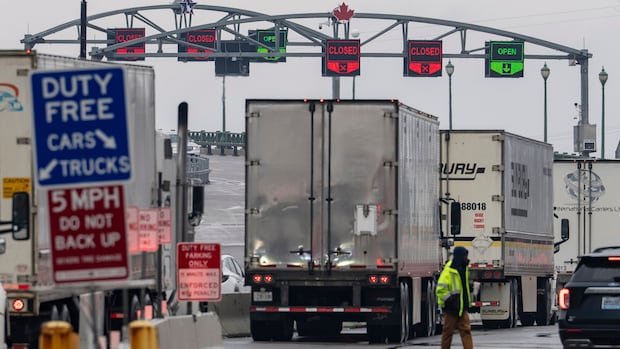

Enforcement of cross-border cargo regulations has significantly increased during the Trump administration, causing delays and financial burdens for shippers. The implementation of tariffs along the U.S.-Canada border has led to heightened scrutiny and penalties in customs procedures, reflecting a more protectionist stance by the United States.
Breanna Leininger, in charge of U.S. operations at Pacific Customs Brokers in Vancouver, noted a tenfold surge in demands for documentation compared to previous years. The frequency of customs inspections requiring detailed information has risen dramatically, creating challenges for the 5,000 customers she assists with cross-border shipments.
Importers are now required to provide extensive paperwork demonstrating compliance with product classifications and trade agreements. The evolving requirements and shifting proof standards present a constant challenge for businesses navigating the regulatory landscape.
Data from U.S. Customs and Border Protection reveals a 26% increase in audits compared to the previous year, with penalties collected in the first half of the current year soaring to $70.6 million US, marking a substantial rise from previous periods.
The intensified enforcement measures coincide with a growing trade dispute between Canada and the U.S., resulting in escalating tariffs and trade barriers. These disruptions have led to increased costs and logistical challenges for businesses involved in cross-border trade, affecting supply chains and profit margins.
Alan Dewar, an executive at GHY Customs Brokerage, emphasized the significant financial implications of these enforcement actions, including storage costs, delays, spoilage, and additional service charges incurred due to border delays.
While some businesses have managed to adapt to the evolving regulatory landscape, others have found the process overwhelming and have considered discontinuing cross-border operations. U.S. Customs and Border Protection emphasized the importance of importers providing accurate information and complying with trade regulations to mitigate risks and ensure smooth customs clearance processes.