


Researchers in Alberta are closely monitoring blue-green algae, and a new website now allows the public to track this phenomenon in real-time. The Algal Bloom Tracker provides satellite images and lake sampling data for six lakes, enabling users to view the information on a map for free.
Rolf Vinebrooke, a key figure in the project and an aquatic ecology professor at the University of Alberta, explained that the map is regularly updated using satellite images captured as the satellites pass over Alberta lakes. This technology offers a comprehensive view of the lakes, helping people identify the nature of the blooms and areas to avoid.
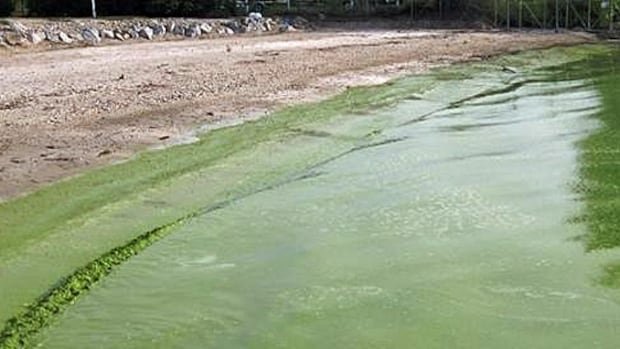
Blue-green algae, also known as cyanobacteria, can proliferate in nutrient-rich Alberta lakes during the summer months. These blooms, characterized by green scum in the water, pose health risks as some strains can produce toxins harmful to the liver and interfere with nerve function if ingested.
The Algal Bloom Tracker website allows individuals planning lake activities to check if a bloom is present or has recently occurred. The prototype currently covers six lakes, ranging from those with rare blooms like Sylvan Lake to more frequently affected lakes like Lac La Biche. The team aims to expand the tracker to about 50 lakes across Alberta within the next three years.
When excessive blue-green algae levels are detected, Alberta Health Services issues health advisories for affected lakes. Presently, more than 25 advisories are in effect across the province, cautioning against swimming, wading, or consuming water from contaminated areas.
The Algal Bloom Tracker operates independently from AHS, providing a tool for the public to make informed decisions regarding water activities. Vinebrooke emphasized the importance of following health advisories due to the unpredictable nature of algae blooms.
The website also seeks to enhance understanding of algal blooms and their impacts on recreation, tourism, property values, and Indigenous communities in Alberta. By tracking these blooms, the project aims to support scientists, policymakers, residents, and recreational lake users in addressing this environmental challenge.