

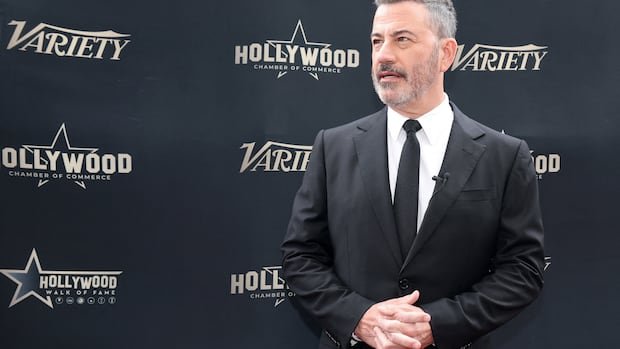

ABC’s late-night talk show host, Jimmy Kimmel, announced that an interview with Democratic Senate candidate James Talarico will be broadcast on YouTube rather than on the network due to perceived threats from the Federal Communications Commission (FCC). The FCC, under Republican leadership, recently stated that daytime and late-night talk shows do not qualify as “bona fide” news programs exempt from equal time rules for opposing candidates.
Kimmel highlighted that talk shows have historically been able to interview political candidates without being subject to these regulations. Talarico is competing against Republican Attorney General Ken Paxton in Texas, a race crucial for determining Senate control in November.
Kimmel mentioned his past interview with then-candidate Donald Trump in 2016 and expressed concerns over FCC threats towards his show and network based on guest bookings that the FCC disapproves of. ABC chose not to comment on the situation.
While the FCC did not immediately respond to requests for comment, Democratic FCC member Anna Gomez criticized the FCC’s actions as part of an administration campaign of censorship. She emphasized the need for courts to clarify the FCC’s role in dictating editorial decisions and viewer content.
FCC Chair Brendan Carr’s early review orders of Disney’s ABC stations, ahead of their renewal schedule, have raised eyebrows. This move, the first of its kind in over 50 years, came after President Trump targeted ABC and urged Kimmel’s dismissal.
Furthermore, the FCC is investigating ABC’s daytime show, “The View,” for equal time rule violations following Talarico’s appearance in January. Disney disclosed that the show ceased inviting political candidates since February due to FCC pressure.
In a similar incident, former CBS host Stephen Colbert faced restrictions from airing an interview with Talarico on his show and had to resort to YouTube for broadcasting. Trump’s repeated calls for broadcasters to drop programs critical of him have heightened concerns about government interference in media content decisions.
Although FCC license revocations are rare, the perceived threat of losing a license can influence broadcaster decisions and raise apprehensions about editorial independence. Networks maintain broad First Amendment protections regarding programming choices.