

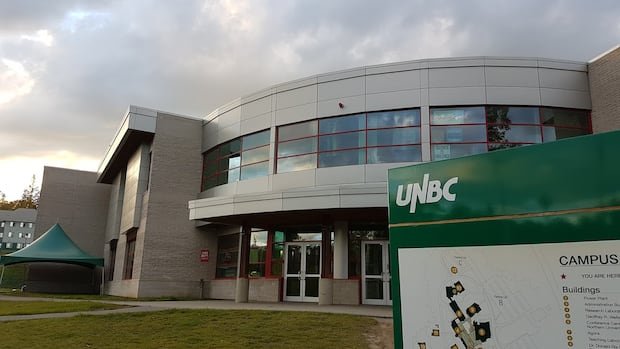

The University of Northern British Columbia (UNBC) is introducing a new PhD program in engineering, marking the institution’s first doctoral program launch in over 15 years. Provost Michel Beaulieu expressed enthusiasm about this development, highlighting its significance for both UNBC and northern British Columbia.
The program aims to enhance research opportunities in critical areas relevant to northern B.C. and the entire province, particularly focusing on resource development and environmental management. As one of British Columbia’s six research universities, UNBC’s decision to offer a new field for advanced studies aligns with its commitment to serving the northern region, enabling students to pursue important work while staying connected to their local communities.
Currently, students often have to leave the region to pursue doctoral studies, leading to many not returning. The introduction of the engineering PhD program at UNBC, the fourth in the province, will provide local students with the opportunity to engage in high-level research without having to relocate to other provinces.
UNBC, primarily located in Prince George with additional campuses in Fort St. John, Terrace, Prince Rupert, and Quesnel, has been offering a master’s program in engineering. However, a PhD is typically needed for conducting advanced research. Given the demand for expertise in areas crucial to northern British Columbia, such as sustainable infrastructure, water resource management, and environmental engineering, the new program is expected to address these pressing needs.
The program will combine advanced coursework with original research culminating in a dissertation. Minister of post-secondary education Jessie Sunner emphasized the program’s role in attracting and retaining graduate students, researchers, and innovators in northern B.C., supporting research efforts on key challenges like sustainable buildings, clean water, resilient transportation infrastructure, and responsible natural resource management in northern and remote communities.
The inaugural cohort of students is set to commence their studies in the upcoming fall semester, contributing to the academic and research landscape of the region.