

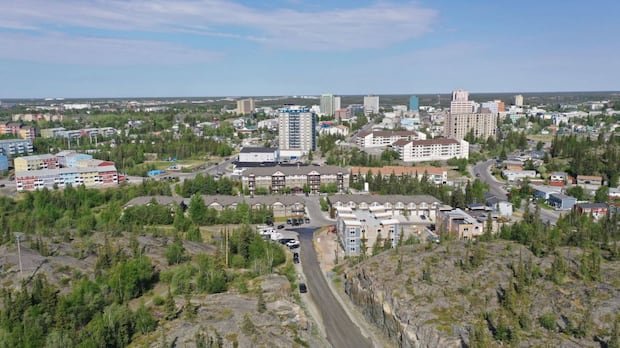

Maurice Helyar, a financial consultant at RBC in Yellowknife, expressed surprise at the sudden rise in his property taxes by over $200 per month during the recent summer. Following his Facebook post sharing his astonishment, other homeowners also voiced being taken aback by similar tax increases.
Helyar, an experienced homeowner in the town, highlighted that while he had experienced gradual tax hikes in the past, a 27% increase in just one month was unprecedented for him. The city attributed the spike in tax bills to the completion of a general assessment in 2025, the first one in seven years due to delays caused by wildfire evacuations in 2023. General assessments are conducted to reevaluate the market value of all land and buildings in the city, with larger disparities leading to more significant shocks for property owners.
While acknowledging the importance of contributing to municipal services, Helyar emphasized the need for clearer communication from the city regarding such drastic increases before residents receive their bills.
Kavi Pandoo, the Director of Corporate Services for the City of Yellowknife, mentioned that the city sends three tax-related documents to residents annually, including a notice of assessment, an interim bill for advance payments, and a final bill. Additionally, the city organizes open houses where property owners can engage with assessors and seek clarification on any queries they may have.
In Yellowknife, property taxes are influenced by two assessment processes: annual assessments and general assessments. Annual assessments are based on physical changes made to properties within the year, such as renovations or additions, while general assessments, like the one conducted in 2025, impact property tax bills for the current year. Municipalities are mandated by territorial law to conduct general assessments every ten years, but Yellowknife opts for a five-year interval to minimize abrupt property value fluctuations.
Property values evolve over time, prompting reassessments to ensure homeowners pay taxes commensurate with their property’s current worth. Pandoo empathized with residents, noting that even his property taxes had risen, reflecting the shared impact faced by locals.
Yellowknife heavily relies on property taxes, constituting about 77% of the city’s operational budget this year. These tax revenues fund essential municipal services, including park maintenance, community grants, and winter maintenance activities. Each year, the city reviews its operational expenses and adjusts tax rates to meet the necessary budget requirements.
For the current year, the city sanctioned a 3.7% increase in property tax to accommodate inflation and the escalating demand for public services, a reduced figure from the initial 7% increase proposed in the previous year. Pandoo clarified that a 3.7% overall budget increment does not uniformly apply to all homeowners, as taxes are levied based on assessed property values, with variations in tax bills contingent on individual property value changes relative to the citywide average.