


Britain’s Foreign Secretary has emphasized the need for increased defense measures in the Arctic to counter rising threats from Russia and other hostile states. Yvette Cooper highlighted the escalating importance of the Arctic as a strategic area for NATO due to climate change creating new opportunities for adversarial actions.
During her visit to Finland and Norway, Cooper urged allied nations to enhance security efforts against aggressive moves by countries like Russia and China seeking to expand their influence in the region. Recent tensions have flared over control of the High North, notably following former President Donald Trump’s proposals to assert authority over Greenland for American security interests.
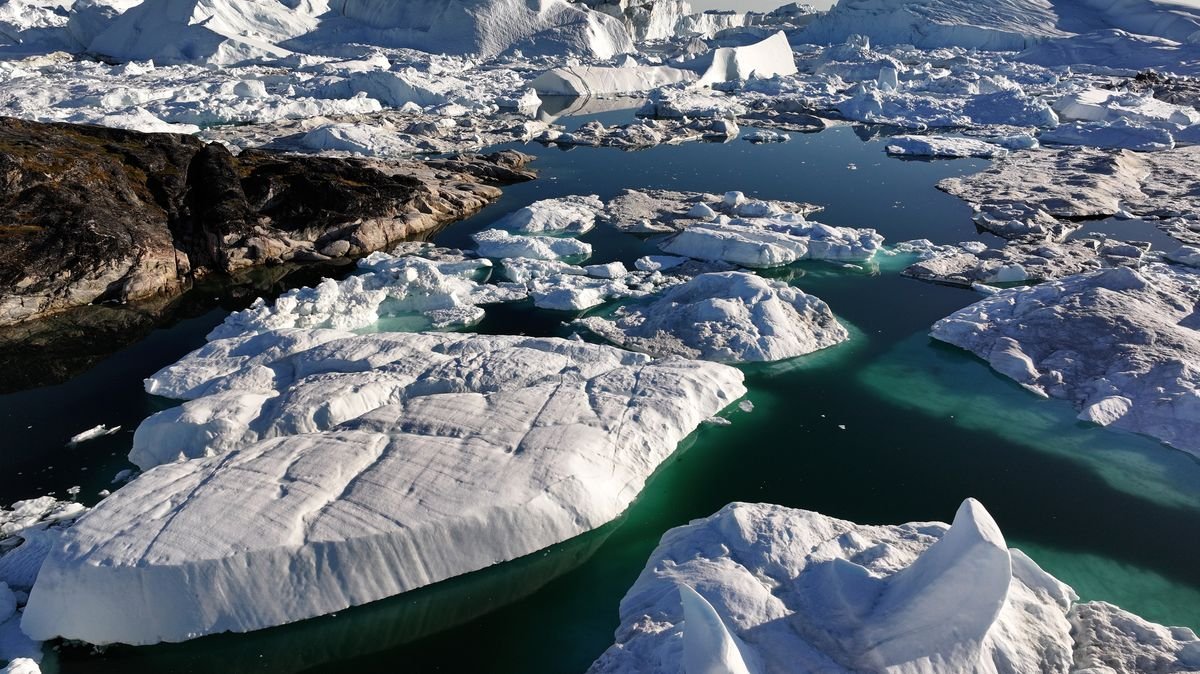
The melting ice caps have resulted in the opening of new maritime routes and the exposure of valuable resources, leading to a geopolitical struggle for control in the Arctic. Russia, in particular, has been active in militarizing the region and using it as a conduit for its fleet of aging vessels transporting oil and gas to circumvent sanctions.
In a recent incident, the UK supported the US coastguard in intercepting the Bella 1 tanker near British waters. Cooper affirmed the UK’s commitment to bolstering Arctic security in collaboration with allies to defend against potential threats from the likes of Vladimir Putin, safeguarding British interests and critical infrastructure.
Highlighting Arctic security as a crucial transatlantic partnership issue, Cooper stressed the importance of collective action within NATO to address emerging challenges effectively, ensuring the safety of all parties involved. She is scheduled to meet with border guards in Finland and visit Royal Marines in Norway, underscoring the strategic significance of Arctic defense operations for both Britain and NATO.
The military base in Norway serves as a pivotal year-round operational center for the UK Commando Force, providing essential cold weather training for up to 1500 personnel. Cooper’s engagements reflect the ongoing efforts to fortify Arctic security measures and strengthen defense cooperation among allied nations.