

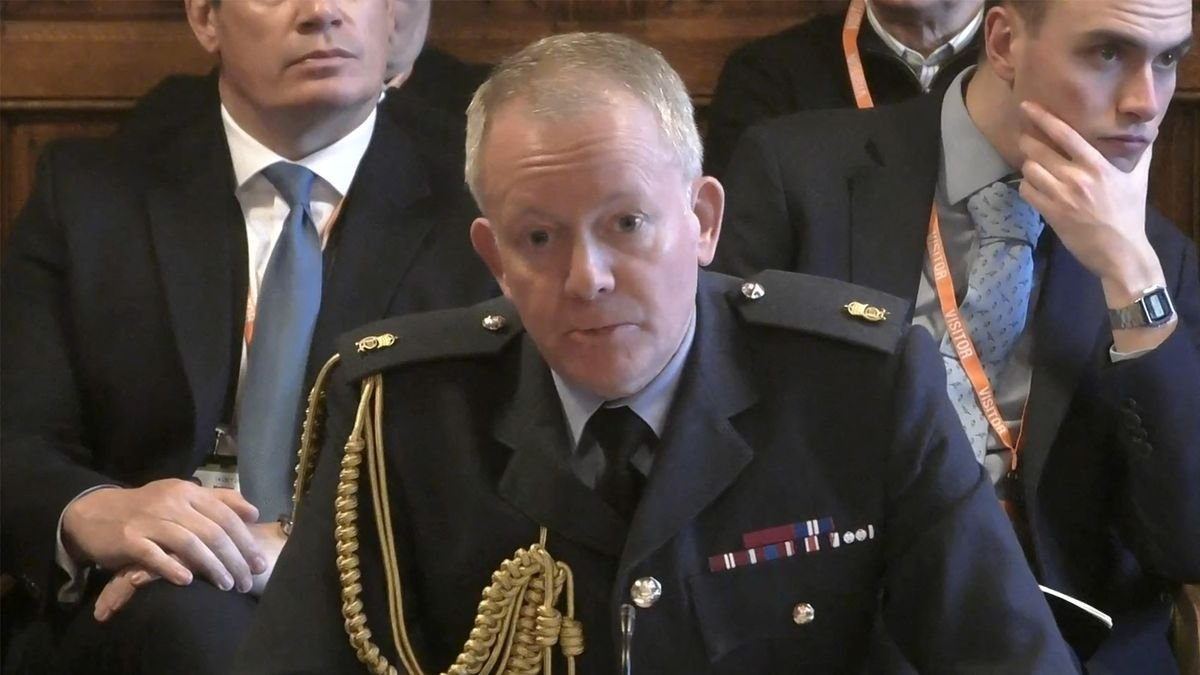

The leader of the British Armed Forces has acknowledged that the United Kingdom is presently unprepared for a large-scale conflict due to constraints in defense budgets and the lingering effects of the Cold War “peace dividend.” Air Chief Marshal Sir Richard Knighton highlighted that the UK’s defense budget is restricted, with the military tasked to adapt to evolving circumstances like potential deployments to Ukraine.
While recognizing Russia’s engagement in Ukraine and significant losses, Knighton suggested that this situation might afford Britain time to enhance its readiness for potential conflicts. Addressing the Defence Committee, Knighton admitted that over the past three decades following the Cold War, the UK has not maintained adequate preparedness for major conflicts, emphasizing the importance of modernizing and transforming the armed forces to ensure readiness for future challenges.
Despite noting the recent substantial increase in defense spending, Knighton pointed out that budget limitations hinder the UK’s ability to swiftly adjust its defense capabilities. The current defense budget stands at £62.2 billion, projected to escalate by £11 billion by 2027. Refuting claims of a £28 billion defense shortfall as speculative, Knighton emphasized his role in advising government officials on rebuilding the armed forces within the allocated budget.
Air Chief Marshal Sir Richard, a seasoned RAF officer, expressed these views during a session with the British Defence Committee, following his appointment in September the previous year. The UK is undergoing a significant restructuring to address emerging threats from countries like Russia and China, aiming to achieve readiness for full-scale conflicts in the coming years despite recruitment and retention challenges.
Knighton highlighted the evolving threat landscape and the necessity for military spending adjustments, citing preparations for potential troop deployments to Ukraine as an example. Responding to queries about government funding for defense readiness, Knighton acknowledged the constraints but emphasized the need for ministers to understand the implications of their decisions.
Regarding the evolving risk posed by Russia and NATO, Knighton stressed the importance of maintaining readiness, cautioning against underestimating the existing threats. When asked about the impact of increased military funding, Knighton affirmed its significance. He also refrained from divulging specific troop numbers required to deter Russia in the event of a peace deal in Ukraine, citing concerns about revealing operational strategies.
In conclusion, Knighton emphasized the need for continuous readiness and strategic planning, while refraining from disclosing sensitive military details that could compromise security measures.