


In the fresh Churchill Falls agreement between Newfoundland and Labrador and Quebec, the involvement of Ottawa is hailed as highly significant by a seasoned civil servant. The recent announcement unveiled Ottawa’s commitment to provide $10 billion in funding for enhancing the Churchill Falls generating station, potential expansion, the development of the Gull Island hydroelectric project, construction of transmission lines, and the implementation of a 2,000 MW onshore wind energy project in Labrador.
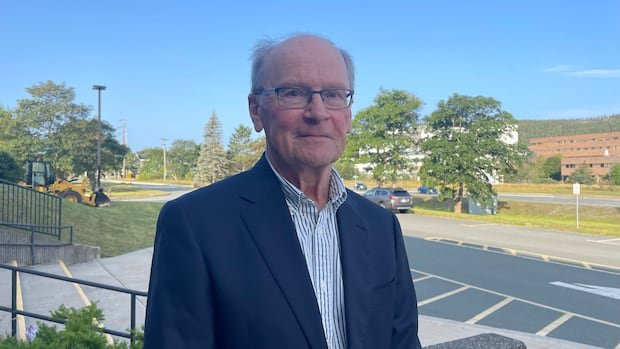
Ron Penney, a former deputy minister of justice and a critic of the previous 2024 MOU, emphasized the substantial impact of Ottawa’s contribution, relieving provinces from the burden of sourcing the required funds. He cautioned about the potential risks associated with relying on federal loan guarantees, drawing parallels with past experiences such as the Muskrat Falls project.
Penney also expressed support for the inclusion of a wind energy project in Labrador, highlighting the complementary nature of wind power with the need for backup energy sources. The prospect of integrating a wind farm with the Churchill Falls infrastructure was deemed a logical move by Penney.
The finalization of the deal is pending until after the Quebec election, with the Parti Québécois expected to assume power. Penney and Kelly Blidook, an associate professor at Memorial University, both cast doubts on the likelihood of the Parti Québécois endorsing the current agreement.
The shifting political landscape has brought new dynamics to the negotiation process compared to the 2024 MOU signed under different circumstances. Blidook noted that the current alignment of economic priorities, coupled with Prime Minister Mark Carney’s leadership, presented Premier Wakeham with a favorable position to secure a more favorable agreement.
In a departure from his previous pledge, Premier Wakeham announced a special debate in the House of Assembly instead of a public referendum on the agreement. This move has sparked disappointment and raised questions about the credibility of his administration. Blidook underscored the importance of independent reviews and parliamentary scrutiny for assessing the merits of the agreement.
Given the evolving political scenario, the outcome of the agreement remains uncertain until the finalization process is complete. Blidook stressed the tentative nature of the current agreement and the need for caution in interpreting its implications amidst the changing political landscape.
The developments surrounding the new Churchill Falls agreement reflect a complex interplay of political dynamics, economic imperatives, and strategic decision-making that will shape the future energy landscape in the region.