


A legal expert has pointed out several warning signs that should have averted the wrongful conviction of a man in Nova Scotia. Gideon Christian, an associate law professor at the University of Calgary, expressed his frustration over the mishandling of the case during an interview. He emphasized that the investigation leading to Brandon Klayme’s conviction, which began in 2018, had significant flaws that should have been addressed.
The investigation was initiated when a 12-year-old girl’s mother in Wisconsin discovered that her daughter had engaged in inappropriate communication with an individual on the Kik messaging app. However, a critical error occurred when the police in Wisconsin mistakenly used the wrong Kik username during their inquiry. This error led the Halifax Regional Police to arrest Klayme under the false belief that his email and IP addresses were connected to the account in question.
Klayme was apprehended at his residence in Dartmouth, N.S., in February 2020, and electronic devices were confiscated from his home. Subsequently, he faced charges related to possession of child sexual abuse material, luring a child, and making sexually explicit material available to a child. Christian highlighted the lack of incriminating evidence on Klayme’s devices as a significant issue in the prosecution’s case, given that investigators could have identified the specific messages relevant to the allegations.
Moreover, discrepancies emerged during the trial, including technical difficulties that resulted in a two-week period where audio recordings of interviews with Klayme were unavailable. The reliance on the officer’s recollection of the interview raised concerns about the accuracy of the evidence presented. Christian emphasized the importance of recognizing such procedural missteps in ensuring fair trials and preventing wrongful convictions.
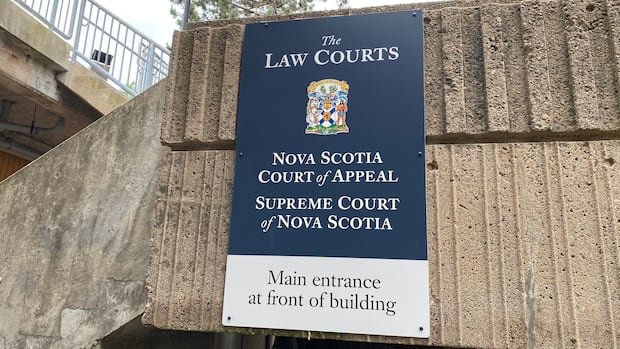
Following 18 months of imprisonment and subsequent probation, a breakthrough in Klayme’s case came earlier this year when his legal team discovered the username error while preparing for an appeal. Consequently, the Nova Scotia Court of Appeal overturned all charges against Klayme, affirming his factual innocence and acknowledging the miscarriage of justice that led to his wrongful conviction.
Christian underscored the need to raise awareness about the serious implications of wrongful convictions, emphasizing the need for reform to prevent similar injustices in the future. The Nova Scotia Justice Minister, Scott Armstrong, pledged to investigate the circumstances surrounding Klayme’s case, expressing concern over the systemic failures that allowed the miscarriage of justice to occur.
As the legal implications of this case continue to unfold, it serves as a stark reminder of the critical importance of upholding due process and safeguarding individuals’ rights within the criminal justice system.