

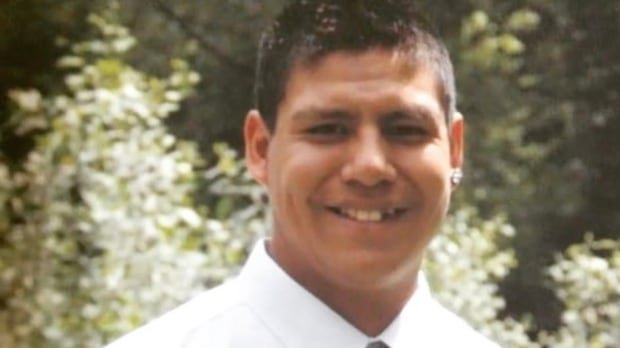

A public inquiry is commencing on Tuesday regarding the fatal shooting of a 28-year-old Tla-o-qui-aht First Nation man by Tofino RCMP in 2021, which occurred during a wellness check. The individual, known as Julian Jones or JJ to his loved ones, was fatally shot at a residence in Opitsaht, a village within the First Nation near Tofino, British Columbia. His tragic death has raised concerns within the close-knit First Nation community about the role of law enforcement, prompting a call for scrutiny.
The inquiry is scheduled to begin in Port Alberni at 9:30 a.m. Elmer Frank, the chief councillor of the Tla-o-qui-aht First Nation, expressed satisfaction with the reinvestigation of Jones’s death. He emphasized the importance of examining the circumstances surrounding the incident. While a coroner’s inquest does not assign blame or criminal liability, its purpose is to shed light on the facts and events leading to a death and provide recommendations to prevent similar occurrences.
In the events leading to Jones’s death on February 27, 2021, two RCMP officers responded to a report of a woman allegedly being sexually assaulted and held against her will. Subsequently, Jones, armed with metal files, was confronted by the officers. Despite being Tasered, Jones advanced towards the officers, leading to the fatal shooting.
The Independent Investigations Office (IIO) concluded in 2022 that no charges would be recommended against the involved officers. This decision has left the family, particularly Jones’s relatives, feeling frustrated. Laura Manson, Jones’s sister, described him as a caring individual who took pride in his Tla-o-qui-aht heritage through music and dance. The family’s grief is compounded by the absence of their mother, who passed away before the inquiry.
Jones’s death has sparked broader demands for reform within the Tla-o-qui-aht First Nation community. The incident, following the shooting of another community member, Chantel Moore, has eroded trust in law enforcement. The community is advocating for enhanced accountability, transparency, and changes in policing practices to prevent future tragedies. Calls have been made for collaborative efforts between the RCMP, governments, and Indigenous communities to improve safety and trust in wellness check procedures.