

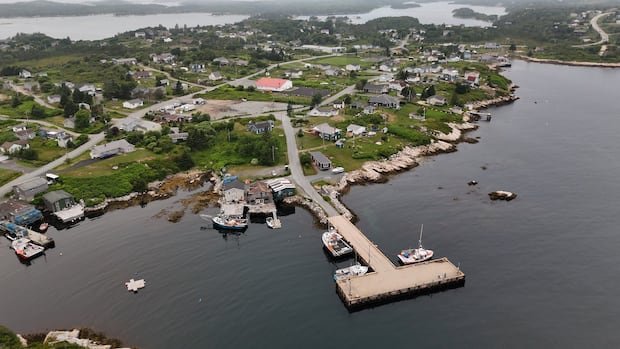

Halifax is urging the province to review its rejection of a new coastal setback for the municipality, now that a major development group has expressed support for the proposal. The Halifax regional council voted on Tuesday to appeal to Nova Scotia’s minister of municipal affairs to reconsider the coastal buffer policies outlined in the city’s original 2025 regional plan.
The proposed policy changes aimed to extend development setbacks along the coast and waterways such as lakes and rivers from 20 to 30 meters. However, the province dismissed the plan in August 2025, citing concerns that the setback increases could hinder development progress.
Councillor Nancy Hartling, representing Prospect Road-St. Margarets, spearheaded the motion. She emphasized the significance of addressing erosion and storm surge risks not only in her coastal district but also for all individuals and properties across the extensive Halifax coastline.
A study is currently ongoing in Halifax to assess the impact of the setback modifications on land development and involve stakeholders such as the development industry and advocacy groups. The study is anticipated to conclude early next year; nonetheless, Hartling advocates for immediate action on the coastal regulations, partly influenced by a supportive letter from a prominent development industry association.
The Urban Development Institute of Nova Scotia (UDI) conveyed its backing for the 30-meter coastal setback, with a provision for flexibility in cases where development outside the buffer is unfeasible. This aligns with the original regional plan, which allowed for development agreements in instances where the setback posed challenges to “reasonable development.”
Several council members echoed their support for Hartling’s initiative to implement the coastal setback promptly while further work is conducted on the inland watercourse matter. Deputy Mayor Patty Cuttell remarked during the meeting that she believed the province’s decision to reject the 30-meter setback was excessive and unlikely to significantly impact development.
Mayor Andy Fillmore dissented from the motion, advocating for delaying requests to the province until the comprehensive study on both setbacks is completed. He emphasized the importance of obtaining a holistic view to potentially alter the province’s stance based on new insights.
In light of the province’s decision not to enact the Coastal Protection Act in 2024, Halifax and other municipalities have been granted the authority to establish their own regulations concerning coastal protection. Hartling contended that various municipalities, like the District of Lunenburg, have already enforced a 30-meter coastal setback policy.
When approached for comment on Halifax’s appeal, the Municipal Affairs Department stated that they had not yet received a formal request from the municipality. If the province affirms the acceptability of the 30-meter coastal setbacks, the recent motion directs staff to present the proposed change for council approval at a later stage.