


Five former chairs of a committee advising the federal government on endangered wildlife have penned an open letter expressing worries about potential alterations to the Species At Risk Act. They argue that these changes could result in the intentional extinction of endangered species in Canada. The proposed modifications may undermine the act, which safeguards over 600 species, rendering its protections ineffective, as stated in a press release issued by the scientists recently.
The group, comprised of former chairs of the Committee on the Status of Endangered Wildlife in Canada (COSEWIC), dispatched the letter to the federal government last month. COSEWIC is an independent advisory body that evaluates species at risk of extinction and recommends their inclusion under endangered species legislation.
The scientists made the letter public to prevent Canadians from unwittingly contributing to the deliberate extinction of Canadian wildlife species. The letter coincides with the Carney government’s consideration of extensive changes to environmental regulations, including the Species At Risk Act, aimed at expediting the approval and construction of major projects.
In May, two federal discussion papers proposed advancing major projects for approval before review and exempting certain projects from the “jeopardy test” mandated by the law if they serve national interests. David Green, a biologist and professor emeritus at McGill University and one of the former COSEWIC chairs, criticized these changes, calling them an unnecessary and damaging blow to the law.
Jeopardy tests act as a safeguard, preventing Ottawa from authorizing projects that threaten species listed under the act and their critical habitats, thereby jeopardizing their survival. Green emphasized the importance of these jeopardy tests in protecting endangered species, labeling them as the final hurdle for vital protection.
The proposed amendments would grant Carney and his cabinet the authority to establish “federal economic zones” for pre-approving industrial ventures and to greenlight pipelines before route determination, bypassing federal impact assessments. Bill C-5 currently expedites the approval process, including environmental assessments, for projects deemed in the national interest.
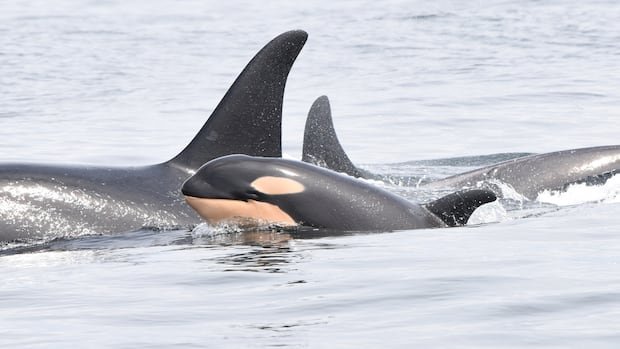
The letter specifically highlights a new West Coast oil pipeline, under consideration as a project of national interest, which could adversely impact species protected under the act, such as the southern resident killer whale and the Chinook salmon, the whale’s primary food source. Both species and their critical habitats are located in the Salish Sea, where the proposed pipeline would terminate.
The scientists voiced concerns that the proposed West Coast pipeline could endanger the entire population of the imperiled killer whales due to increased tanker traffic noise and habitat destruction. They posed the question of whether Canadians are willing to risk the unique population of killer whales for another oil pipeline.
There are currently 75 southern resident killer whales globally. Green expressed astonishment at the Liberal government’s proposed changes, highlighting the significance of the Species At Risk Act established by a previous Liberal government 25 years ago. Kathryn Harrison, a UBC professor specializing in climate and energy politics, deemed the government’s actions as setting an unprecedented precedent through Bill C-5 and other contemplated changes, granting significant authority to waive or add laws.
As of the article’s publication, the scientists had not received a response from the government regarding their letter. The Privy Council Office affirmed the government’s commitment to species conservation and complying with the Species at Risk Act, citing the need to expedite projects to stimulate the economy and reduce dependence on the U.S.
Despite facing criticism from various groups, including First Nations and environmental advocates, the government extended the public engagement period. Formal legislation is anticipated post-Parliament resumption in September, with Green urging the government to reconsider its stance, emphasizing the irreversible consequences of eliminating species from Canada.