

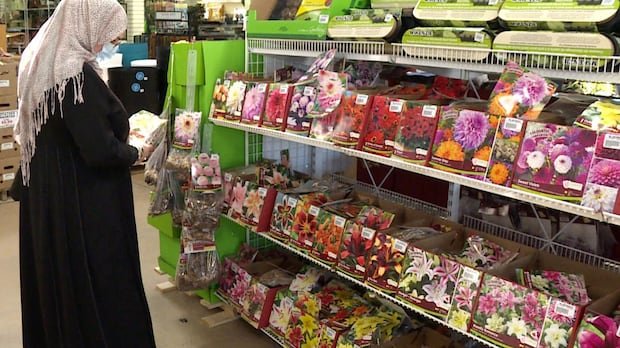

Efforts are underway in Canadian cities to prevent the sale of invasive plants at local garden centers, as advocates call for a unified national approach to regulating the horticultural industry.
As invasive plants pose a threat to biodiversity across the country, municipalities are taking steps to address gaps in the current regulatory framework that varies by location. Canada has committed to reducing the introduction and establishment of known invasive species by at least 50% by 2030.
The Canadian Coalition for Invasive Plant Regulation (CCIPR) is urging the federal government to establish a regulatory body for the horticultural sector and develop a nationwide database that identifies invasive plant species and associated risks in different regions.
CCIPR co-founder Cathy Kavassalis emphasized the importance of informing the public about potential harm from invasive plants, suggesting that similar to other products, plants should also be subject to disclosure requirements. The Canadian Food Inspection Agency oversees some invasive plants, while provinces and territories have their own legislation for managing invasive species.
In recent developments, Nanaimo and Surrey have taken actions to restrict the sale of invasive plants within their jurisdictions, with initiatives ranging from pursuing bylaw amendments to outright bans on sales by certain businesses. London, Ontario’s environmental committee has also recommended that retailers providing invasive plants inform customers at the point of sale.
According to Kavassalis, the responsibility to address invasive plant issues is often being delegated to municipalities, resulting in fragmented solutions that may not be efficient. Kirsty MacDonald, parks manager in Nanaimo, highlighted the impact of invasive plants on local landscapes and potential risks to human health, stressing the need for a comprehensive approach to combat the issue.
Advocates are calling on Ottawa to take decisive action to address the horticultural trade and achieve the 2030 target set by the federal government. A study by University of Massachusetts Amherst researchers identified the sale of ornamental non-native plants as a key pathway for introducing invasive species in the United States, a problem that is mirrored in Canada.
A proposed national database could provide stakeholders with valuable information on invasive plant risks across regions, while Kavassalis advocates for clear labeling or removal of invasive plants from shelves. Horticulture expert Jim Hole emphasized the willingness of garden centers to support efforts to prevent the spread of invasive plants, citing the example of discontinuing the sale of purple loosestrife once its invasive nature was recognized.
Lorraine Johnson, a native plant advocate, raised concerns about the role of nurseries in promoting non-native plants that contribute to biodiversity loss, emphasizing the importance of educating consumers and greenhouse owners about the impacts of invasive species.
Regulating garden centers can aid in raising awareness among gardeners about the significance of choosing native plants and their role in the ecosystem, moving beyond viewing plants as mere decorations to recognizing their broader ecological impact.
Tag: rewrite-pending