


Abdul Razaq Khan, a former translator and facilitator for Canadian media during the Afghan conflict, received a late-night message five years ago from a journalist he had guided through the chaotic streets of Kandahar. At that time, he was residing in Kabul after the Canadian forces left Afghanistan, working at the American aid organization USAID. In the summer of 2021, as the Taliban made their way towards Kabul, Khan was asked about his well-being. Reflecting on the situation, he described it as a day of reckoning.
Having relocated to Canada and now settled there, Khan continues to grapple with the loss of his job, home, and country, along with the events leading to the rapid downfall of the western-supported government. He emphasized the emotional turmoil of leaving his homeland, stating that such a departure is never joyous.
Escaping on foot, Khan crossed the Pakistani border just before the fall of the Afghan capital to the Taliban, narrowly evading their gunfire. His association with Canadian media outlets, including The Canadian Press, CTV News, and Postmedia, had made him a target in Afghanistan, a fate shared by many locals who worked with journalists, military personnel, diplomats, and aid agencies from the West.
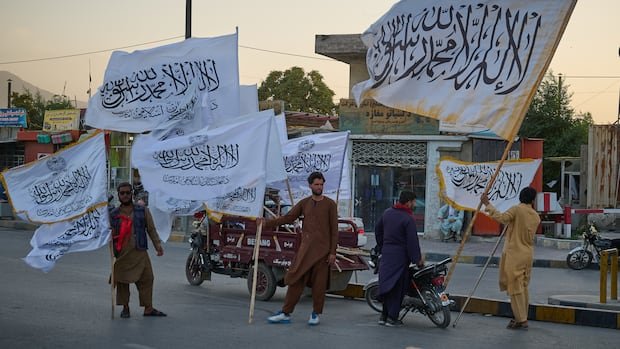
The Taliban’s resurgence not only uprooted hundreds of thousands of Afghans but also ushered in a strict, authoritarian regime that marginalized women, suppressed free expression, and enforced stringent moral standards through a dedicated ministry. Women, who were a focal point of western initiatives during the conflict, have borne the brunt of the repercussions, facing escalated violence and a lack of justice under Taliban rule.
Organizations like The Zan Times have documented the surge in violence against Afghan women, highlighting the impunity granted to perpetrators, often resulting in women’s deaths being inaccurately labeled as suicides. Despite the challenges faced by Afghan women post-2021, efforts by Western nations to safeguard their rights have been limited to diplomatic condemnations and targeted sanctions.
Several countries established special humanitarian visa pathways and resettlement schemes to safeguard high-risk Afghan women, such as judges, activists, journalists, and politicians. However, the efficiency of these initiatives has been questioned, with reports revealing the challenges faced by allied nations in evacuating and resettling vulnerable Afghans.
Canada, for instance, resettled over 60,000 vulnerable Afghans, surpassing its initial target of 40,000 individuals. Nevertheless, there are still many Afghans at risk under the oppressive Taliban regime, underscoring the need to bolster resettlement programs. The Allied Ledger report, authored by Local Staff International and AfghanEvac, assessed the evacuation and resettlement efforts of various nations, emphasizing the importance of fulfilling promises made to those who supported American and NATO forces.
Democratic Senator Chris Coons stressed the significance of honoring commitments to individuals who endangered their lives for the benefit of American and NATO troops, emphasizing the need to uphold promises in this critical chapter of recent history.