

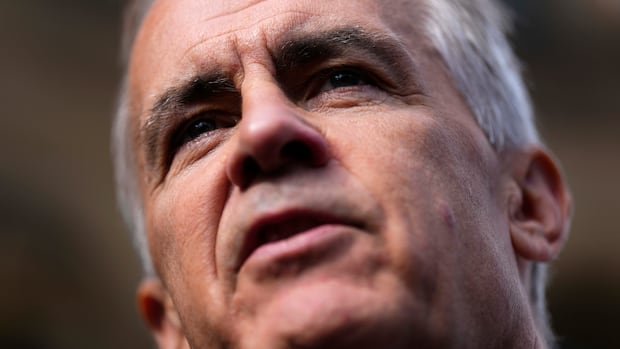

Prime Minister Mark Carney has cautioned Canadians about the repercussions of shifting focus away from the United States, emphasizing that the alternative would be more detrimental. Carney, in a video released following Canada’s imposition of retaliatory tariffs, reiterated the country’s strategy to counter the U.S. trade war by forging new trade agreements with other nations to reduce dependence on the U.S.
Carney stressed that while there would be costs associated with this pivot, remaining stagnant would be even more costly. The video is part of a series initiated by Carney to keep Canadians informed about government policies and responses to U.S. trade actions. The objective of these policies, according to Carney, is to emerge stronger and more resilient, ensuring that no country can manipulate Canada’s choices and lifestyle.
In his address, Carney accused the U.S. of attempting to limit Canada’s trade flexibility with other nations and impede the promotion and protection of the French language and culture. Amid calls from the Federal Conservatives for transparency regarding the abandoned deal and an earlier recall of Parliament, Carney emphasized the need to disclose the full details to the public for informed judgment.
Carney highlighted that Trump’s tariffs were specifically aimed at damaging certain Canadian sectors, such as steel, aluminum, auto, and lumber, affecting primarily workers in Ontario, Quebec, and B.C. He expressed determination that Canada would not succumb to U.S. pressure to become part of the country, referencing previous statements by Trump about annexation using economic means.
Canada’s counter-tariffs, mirroring the U.S. exports’ value at $27.8 billion, were implemented in response to Trump’s recent 50 percent tariffs on various Canadian products. Carney emphasized the necessity of these tariffs to safeguard Canadian workers, companies, and communities, rejecting the notion of escalating conflicts. Additionally, he drew parallels to historical tariff impositions on Canada by the U.S. in the late 19th century, showcasing Canada’s resilience and diversification in response.