

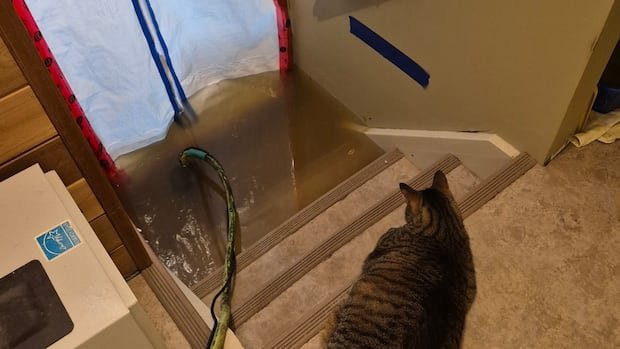

Over two weeks have passed since a cleanup crew dispatched by Terry Davison’s insurance provider visited his St. Catharines, Ontario residence to assess and secure his sewage-damaged possessions following flooding and sewer backup in July. Although he initially managed to contact his insurer after the first storm, subsequent attempts to reach his adjuster proved futile after a second storm struck on August 3, leaving Davison without any response.
Expressing frustration, Davison revealed to CBC Niagara that despite numerous attempts via emails and calls, he had not received any acknowledgment from the insurance company. Worried about the health ramifications of residing in a home with a contaminated basement and no air conditioning exacerbating his chronic obstructive pulmonary disease, Davison anxiously awaits the insurer’s restoration team to inspect and validate the damage to his furnace and hot water tanks before replacements can be arranged.
Feeling at the mercy of insurance companies, Davison faces a dilemma of whether to wait for the insurer’s assessment and risk potential out-of-pocket expenses, or to engage his own contractor immediately but face the financial burden if the insurer deems the repairs ineligible for coverage. Anne Marie Thomas, from the Insurance Bureau of Canada, advises homeowners to document thoroughly the damage before initiating any cleanup efforts to expedite the claims process amid a surge of similar requests.
Furthermore, Thomas emphasizes the importance of reviewing insurance policies to ensure coverage for specific risks like sewer backup and overland flooding, which may not be automatically included in standard policies. She advises homeowners to consider add-ons for these potential risks to avoid being left without coverage in times of need. David Mayer from Rates.ca highlights the impact of successive flooding incidents on claim losses and potential premium increases, underscoring the need for proactive risk management.
In situations where communication with insurance adjusters becomes challenging, Thomas recommends escalating concerns to higher authorities within the insurance company or seeking assistance from internal ombudspersons for dispute resolution. For renters, Thomas suggests obtaining tenant insurance to safeguard personal belongings in unforeseen circumstances like floods. In cases of persistent dissatisfaction with internal resolutions, customers can seek recourse through independent bodies like the General Insurance OmbudService for impartial dispute resolution.
By taking proactive steps to document damages, review insurance coverage, and escalate concerns when necessary, homeowners and renters can navigate insurance claims processes effectively during challenging times.
[End of Rewritten Article]