


Some Canadian negotiators are concerned that new U.S. tariffs set to take effect on Wednesday may be unavoidable, as Ottawa faces challenges in addressing existing sectoral tariffs and convincing provinces to lift restrictions on American alcohol, according to sources familiar with the matter. Negotiations are escalating, with reports indicating that Canadian Trade Minister Dominic LeBlanc is scheduled to meet with U.S. Trade Representative Jamieson Greer for the third time in a week.
The primary objective for Ottawa recently has been to secure a comprehensive agreement with Washington. Ottawa aims to see the Trump administration eliminate the impending 50 percent tariffs on nearly $28 billion worth of Canadian goods, which represent approximately five percent of Canada’s exports to the U.S. Additionally, Ottawa seeks a reduction in the existing sectoral tariffs affecting industries such as steel, aluminum, auto, and lumber. Currently, steel and aluminum face 50 percent tariffs, while auto tariffs stand at 25 percent.
The negotiation strategy revolves around reaching a dual-focused agreement to gain provincial support, including commitments to reintroduce American alcohol into the market. The resumption of U.S. alcohol sales in Canada has become a critical point in the discussions, with the Trump administration insisting on this as a key condition. However, there is a significant gap in the negotiations, particularly regarding the reduction of sectoral tariffs and resolving other contentious issues.
Sources indicate that some provinces are reluctant to lift their bans on American alcohol unless there is tangible relief on tariffs affecting their respective industries. This stance poses a challenge for Ottawa, as negotiators express concerns that a final deal might not materialize if provincial opposition persists.
Provinces and territories have been informed that Canada may need to make concessions on specific issues raised by the Trump administration, including provincial bans on U.S. alcohol, dairy import quotas, and retaliatory tariffs on U.S. autos. Resolving these disputes is crucial to avoiding the implementation of Wednesday’s tariffs.
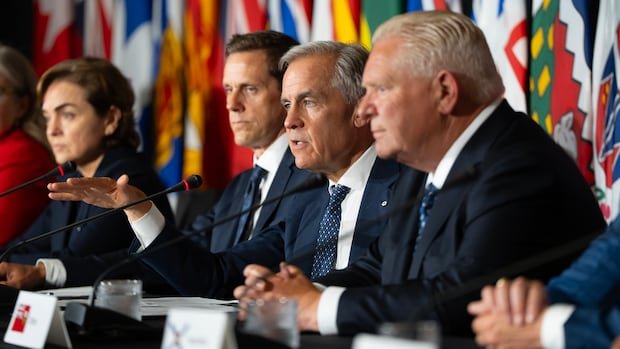
The federal government has emphasized the necessity of a unified approach among provinces to address these issues swiftly, as there are indications that the U.S. is not inclined to extend the tariff deadline. The Trump administration’s tactics have been viewed as a deliberate attempt to create discord between Ottawa and the provinces, as well as within the provinces themselves.
In a recent statement, Canadian officials underscored the importance of a unified approach in trade negotiations. However, significant differences between Canada and the U.S. persist, with uncertainty looming over the possibility of a deal before the tariff deadline. The potential for talks to conclude without an agreement has been under consideration, with preparations made for potential retaliatory measures if the tariffs are imposed.