

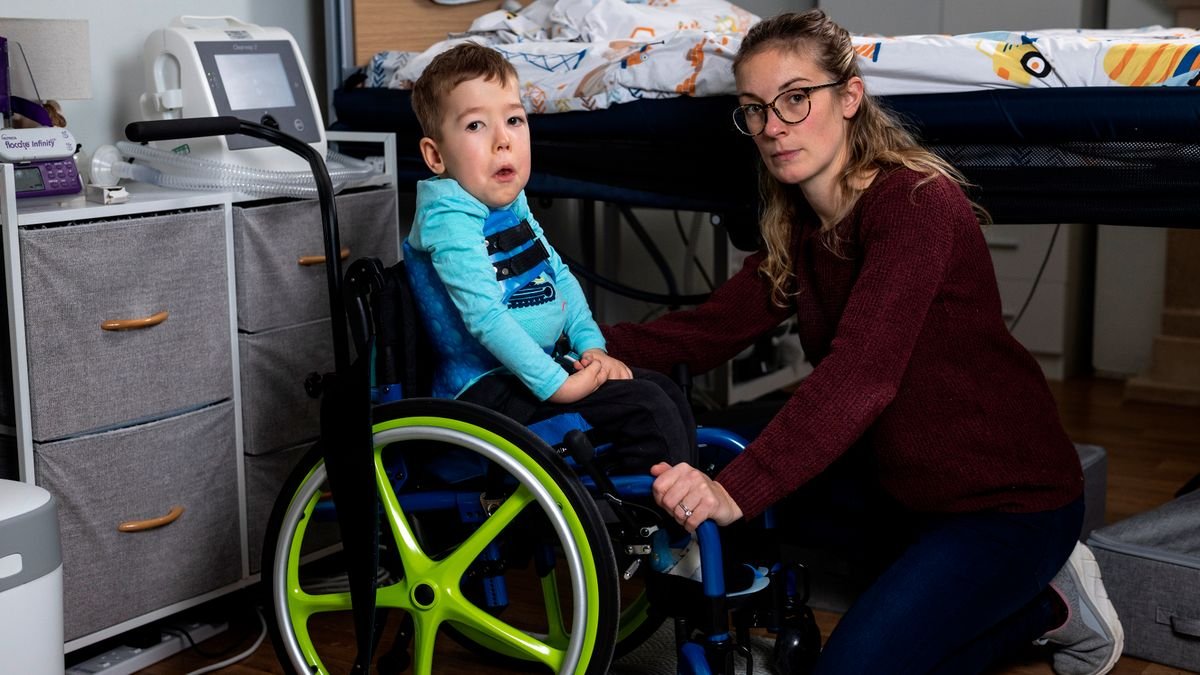

Having a baby can be an incredibly stressful and worrisome time for any parent. However, parents of children with spinal muscular atrophy (SMA) often share similar experiences. Many are left feeling guilty after a delayed diagnosis and lack of awareness from the healthcare system.
Initially, these parents bring home what seems like a healthy baby, only to notice concerning changes over time. Symptoms such as decreased movement, breathing difficulties, and feeding challenges start to emerge. Despite raising concerns with medical professionals, parents are often reassured that everything is normal. Unfortunately, some babies end up losing weight, requiring hospital readmission, and even intensive care due to common infections.
In many cases, it is actually the parents who turn to the internet to research symptoms and correctly diagnose their child with SMA. Subsequently, healthcare providers confirm the diagnosis through a simple blood test, but by then, irreversible damage may have occurred.
SMA is caused by an inherited genetic mutation affecting the SMN1 gene responsible for nerve cell health. Without this gene, motor neurons deteriorate, leading to muscle wasting. Thankfully, there are now three life-saving treatments available through the NHS that can either correct the faulty gene or provide the necessary protein to prevent further muscle degeneration.
Despite the positive outcomes of treatment, parents are haunted by the belief that earlier intervention could have led to a more normal life for their child. They feel let down by a healthcare system that failed to recognize the tell-tale signs of SMA.
Efforts are being made to advocate for SMA screening in newborns to prevent future cases of delayed diagnosis. The SMA community stands together, offering support and understanding that only those who have gone through similar experiences can truly comprehend.
These children, once treated, have the potential to live fulfilling lives, attending school, making friends, and bringing joy to those around them. While uncertainties about the future linger due to the newness of treatments, these children represent a generation with the possibility of surviving SMA into adulthood.
It is crucial to acknowledge the tireless advocacy of SMA parents who have fought for change to prevent others from facing the same challenges. The hope is that with increased awareness and screening, the double injustice they experienced can be averted for future families.