

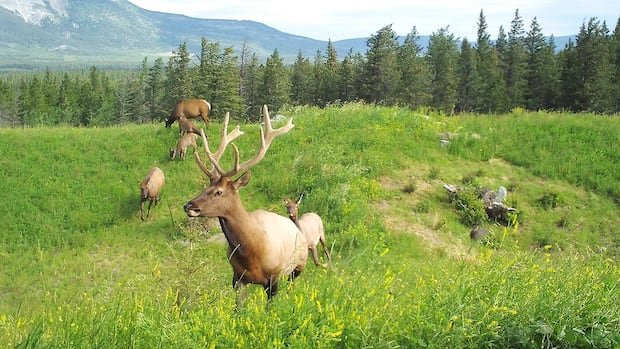

A proposal to establish a massive 3,400-kilometre habitat corridor for wolves, elk, and other wildlife from Yellowstone National Park in the U.S. to Canada’s Yukon has been selected as a finalist for Prince William’s annual environmental awards. The Yellowstone to Yukon Conservation Initiative (Y2Y) is the first Canadian project to reach this stage in the Protect & Restore Nature category of the 2026 Earthshot Prizes. Y2Y, recognized as one of the largest conservation collaborations ever, aims to reconnect a vast mountain landscape across Canada and the U.S., allowing wildlife to move freely as they did for centuries.
The corridor, home to various large mammals like wolves, grizzly bears, wolverines, and endangered mountain caribou, already covers 25 million hectares of protected land, slightly larger than the United Kingdom. Y2Y, initiated in 1993 as a joint effort between a U.S. non-profit and a Canadian charity, has significantly expanded protected areas from nine to nearly 18 percent of the corridor over the past thirty years, working with 800 partners including governments, Indigenous nations, private landowners, and scientists.
The inspiration behind the project came from a wolf named Pluie, equipped with a satellite tracking collar near Banff National Park in 1991. Traveling through vast territories spanning three U.S. states, two Canadian provinces, and three national parks, Pluie’s journey highlighted the necessity of conservation efforts at the scale required by nature. Furthermore, with climate change driving animals and plants towards northern regions and higher altitudes, the initiative addresses the need for connected habitats to facilitate migration.
Y2Y’s achievements include the construction of over 200 wildlife road crossings and successful collaboration with Indigenous partners in British Columbia to save the Klinse-Za caribou herd from extinction. The initiative not only benefits wildlife but also offers advantages to people such as expanded parklands for recreation and reduced wildlife-vehicle collisions. Additionally, protected lands contribute to carbon absorption and the preservation of clean water sources in the area.
Though the $1.9 million Earthshot Prize may not cover all the costs, winning the award would raise awareness about the initiative, attract more support, and create connections with global organizations addressing similar environmental challenges. The Earthshot Prize, awarded annually since 2021 in five categories, aims to promote innovation in combating climate change and environmental issues, with plans to continue until 2030.