

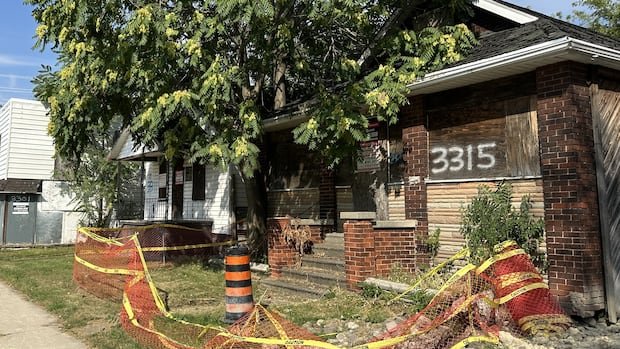

The City of Windsor is in the process of acquiring 45 neglected properties owned by the Ambassador Bridge company through expropriation. Shane Rayman, a legal expert in expropriation, highlighted that the expropriation process can be protracted and costly based on his past experiences in Windsor. He emphasized that such processes can become contentious and drawn out over time.
The announcement of the expropriation came after the city took action to acquire the west end properties, which consist of dilapidated homes that have fallen into disrepair, leading to issues such as crime and infestation. While some residents have expressed concerns about the state of these properties, the bridge company contends that expropriation will only lead to unnecessary conflicts and delays, adding to taxpayer expenses.
According to Rayman, the Ontario Land Tribunal typically favors expropriation in such cases. The city has formally notified the property owners of its intent to expropriate the land, allowing them 30 days to request a hearing before an inquiry officer from the tribunal. The city must provide evidence to justify the fairness and necessity of the expropriation to achieve its goals during the hearing process.
Despite the tribunal’s usual inclination towards expropriation, Rayman noted that the final decision lies with the city council, which can make political choices regardless of the tribunal’s ruling. Before the city can take over the properties, it must present a statutory offer supported by an appraisal, which property owners can accept while still seeking additional compensation through the tribunal.
Anneke Smit, the director of the Centre for Cities at the University of Windsor, mentioned that challenging compensation is a common legal recourse against expropriation, which can lead to prolonged legal battles. Owners may dispute the municipality’s jurisdiction or attempt to delay the possession process. Smit stressed the importance of meticulous public scrutiny of expropriation actions and highlighted that it should be a last resort.
In response to the city’s expropriation plans, an official from the bridge company suggested reaching an agreement for the transfer of most of the properties to the city, as previously agreed upon by the city council. Smit acknowledged that this expropriation case differs slightly due to the provisions in the Community Improvement Plan aimed at achieving the goals of the Sandwich CIP.