

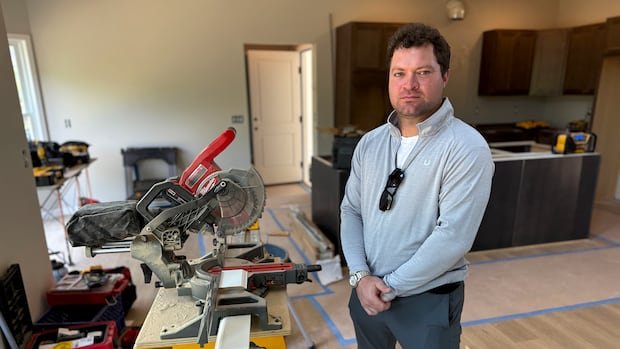

The sound of construction echoes through a residential property in Ohio as Joe Koch oversees the final stages of his carpentry project. Due to the ongoing trade war between the U.S. and Canada, Koch’s construction plans have been disrupted, causing delays and uncertainties in the housing market.
Koch, the vice president of a longstanding family business, highlights the broader impact of the trade tensions on businesses and consumers in Ohio. To adapt to the changing trade landscape, Koch now sources materials locally instead of relying on Canadian imports.
The trade conflict has created challenges for financial planning and supply chain management, prompting Koch to emphasize the importance of building strong partnerships and being adaptable in a volatile global economy. Despite the uncertainties, Koch remains resilient, viewing the situation as a strategic game where minimizing damage is key.
Youngstown, Ohio, known for its manufacturing heritage, faces the repercussions of the trade war, with over 20,000 jobs tied to various manufacturing sectors. The trade dispute has sparked concerns among residents, reflecting on the impact of higher prices and economic uncertainties caused by tariffs.
As Ohio heavily relies on trade with Canada, the escalating tariffs have raised concerns about the potential consequences on local businesses and the overall economy. Residents express frustration over the trade tensions, highlighting the strain it puts on their finances and livelihoods.
While some businesses in Ohio view the tariffs as a mixed bag, with both benefits and drawbacks, others, like Shapes Unlimited, face challenges in expanding their market reach due to increased costs and uncertainties. The trade war has forced companies to rethink their strategies and navigate the complexities of a disrupted global trade environment.
As Ohioans grapple with the impacts of the trade war, there are growing concerns about the long-term effects on businesses and the economy. The trade dispute has become a focal point for residents, influencing their perspectives on political leadership and potentially shaping their voting decisions in the upcoming elections.