


Rescue teams are in a race to reach numerous workers suspected to be trapped inside hydroelectric tunnels in the mountainous regions of Nepal. This effort represents a critical chance of locating survivors following a devastating Himalayan flood that claimed over 1,200 lives.
The catastrophe, triggered by a glacier collapse near the Nepal-China border, caused widespread destruction across towns and valleys in the region. Official reports confirm 1,204 fatalities, with over 4,200 individuals still unaccounted for.
Focused search and rescue operations are now concentrated on hydroelectric project tunnels where it is believed that workers could have survived by seeking shelter in air-supplied chambers. The mission aims to locate around 900 missing workers who might be stranded due to floodwaters and debris.
According to Amshu Kiran Shahi, a board member of the Nepal Electricity Authority, the presence of food and water in certain constructed areas within the tunnels increases the likelihood of finding survivors. While hopes dwindle for locating survivors elsewhere, rescue teams persist in combing the mountainous terrain along the China border, where the floods wreaked havoc.
Prime Minister Balendra Shah reiterated the government’s commitment to continuing search and rescue efforts to locate missing individuals and support affected communities. Specialized rescue teams from India, China, and the United States are collaborating in the tunnel rescue missions.
In Tibet, China’s official tally has risen, with at least 21 reported deaths and 541 individuals still missing. The reopening of the Gyirong border crossing facilitates access to the disaster zone, enabling the deployment of heavy equipment for search and rescue operations.
Chinese state broadcaster CCTV showcased the deployment of excavators, rescue teams, search dogs, and life-detection equipment in challenging terrains. The focus is on conducting thorough searches in flattened areas for potential survivors.
Additionally, China announced plans to dispatch DNA identification experts and emergency supplies to aid relief efforts in Nepal, including temporary bridges, mortuary refrigerators, and communication equipment.
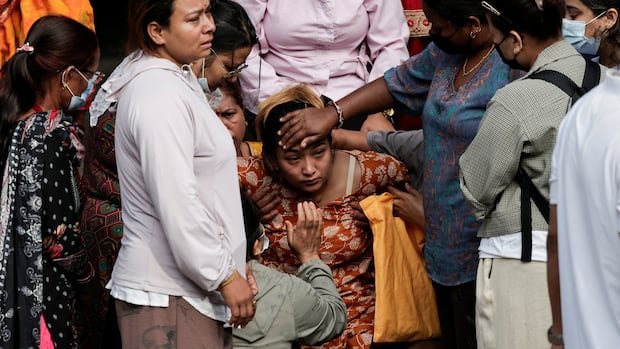
The aftermath of the disaster has left communities in Nepal grappling with loss and destruction, with survivors salvaging remnants of their former lives. Efforts are underway to restore power supply, telecommunication services, and transport links, with significant progress reported in the affected regions.
Children in Nuwakot and Rasuwa regions are displaying signs of psychological distress following the traumatic events, prompting international charity Save the Children to provide support. The charity reports that children are grappling with fear and anxiety after witnessing the devastation caused by the floods.
Nepal’s Prime Minister highlighted the magnitude of the disaster and commended the efforts of security personnel who bravely warned residents as the flood approached. Despite the challenges, the government, with foreign assistance, is striving to rebuild essential infrastructure and support affected communities.