

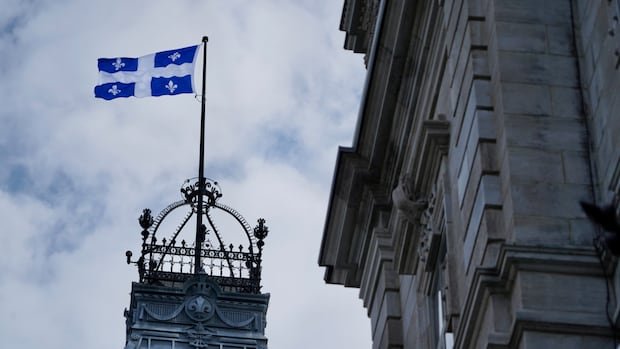

Days following the breakdown of trade discussions between Canada and the U.S. and the subsequent imposition of 50% tariffs on approximately $28 billion worth of Canadian products, Quebec’s provincial party leaders are revealing their strategies to address the current economic challenges in anticipation of the upcoming fall provincial election.
In response to the failed negotiations, Prime Minister Mark Carney announced retaliatory tariffs against the U.S. starting September 8, after rejecting what he deemed a disadvantageous deal.
Premier Christine Fréchette of the Coalition Avenir Québec (CAQ) expressed support for Carney’s decision to halt the talks and unveiled two new programs aimed at aiding businesses in the manufacturing and primary sectors affected by the escalating trade tensions.
Additionally, Fréchette emphasized the importance of enhancing Quebec’s industrial capacity alongside Carney, highlighting the need for continued development and expertise in an increasingly volatile global landscape.
At a news conference, Québec Solidaire (QS) leader Ruba Ghazal proposed a comprehensive plan to address the ongoing crisis, including the establishment of a dedicated fund to anticipate future challenges and sustain employment in impacted industries.
The Liberal Party of Quebec, led by Charles Milliard, emphasized the importance of strengthening economic and political ties with Canadian partners in the face of trade uncertainties, particularly focusing on leveraging Quebec’s energy resources through Hydro-Québec.
Éric Duhaime, leader of the Conservative Party of Quebec, outlined his anti-tariff strategy, advocating for increased utilization of natural resources, particularly natural gas, to bolster Quebec’s energy independence and reduce trade barriers among provinces.
Despite the absence of a news conference from Parti Québécois (PQ) leader Paul St-Pierre Plamondon, the party, which currently leads in polls, continues to advocate for a referendum on Quebec’s independence, with plans to consult Quebecers on the matter post-Trump’s presidency.
As Quebec prepares for the provincial election, each party leader is navigating the complex trade landscape and outlining distinct approaches to safeguard the province’s economic interests amidst escalating tensions with the U.S.