

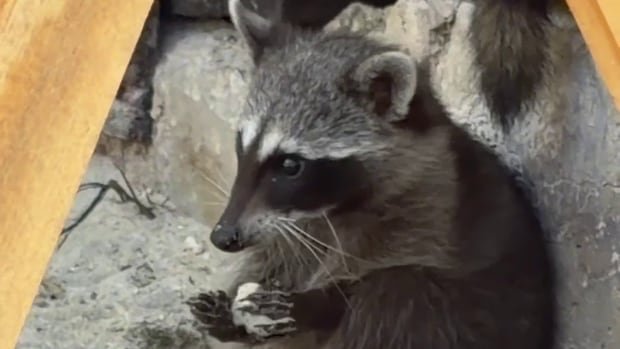

Biologist Nessie O’Neil from Miami University in Ohio made a fascinating discovery when she witnessed a pygmy raccoon creating a toy ball out of trash. This behavior, now documented in the journal Wild, showcases the Mexican raccoons’ ability to craft playthings from discarded materials and teach others in their group. This marks the first known instance of “material culture” within the Procyonidae family, which includes raccoons and similar species.
These critically endangered pygmy raccoons, unique to Cozumel Island in Mexico, have adapted to scavenging for food in tourist areas due to habitat destruction. O’Neil observed the raccoons engaging in this innovative toy-making behavior, with the younger raccoons learning from their family members.
Retired scientist Benjamin Beck, co-author of Animal Tool Behavior, noted the novelty of the raccoons creating their own toys, a behavior not previously documented. The raccoons were also observed engaging in social play by batting the handmade balls between each other, indicating a higher level of interaction.
Despite the intriguing behavior, the small population of pygmy raccoons is under threat, with only around 200 individuals remaining. O’Neil emphasizes the importance of conserving these animals by addressing the destruction of their habitat and discouraging human interaction, such as feeding them inappropriate foods like tortilla chips and margaritas.
By sharing this research, O’Neil aims to raise awareness about the challenges faced by pygmy raccoons and advocate for their protection. The hope is that increased understanding and responsible behavior can help preserve these unique creatures and their natural habitat.