

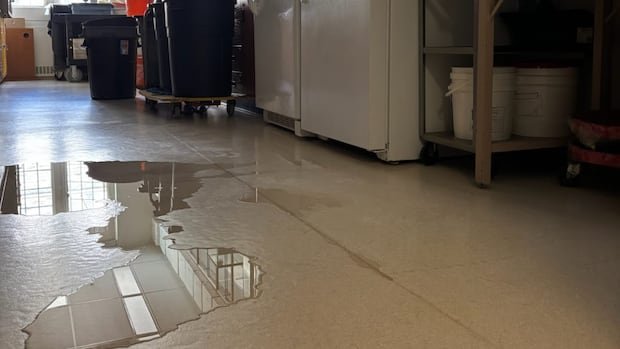

A prolonged power outage at Western University in London, Ont., has caused significant damage to vital research samples, disrupted ongoing experiments, and raised concerns among biology students and faculty about the university’s ability to safeguard valuable scientific research assets.
Several key buildings on campus, including the Biological & Geological Sciences Building, Materials Sciences Addition, Chemistry Building, and Natural Sciences Centre, have been operating on backup power since Friday following an incident at a campus power substation.
While power has been restored to most buildings, the affected structures remain on backup power as repair work continues. Access to these buildings has been restricted as a precautionary measure, with the university working closely with students, faculty, and staff to address individual concerns, including facilitating access to meet research needs.
This recent outage marks the fifth major power disruption impacting biology research facilities since August 2025, according to feedback from students and faculty. Biology professor Beth MacDougall-Shackleton expressed concerns about the university’s reputation, noting the challenges faced by researchers in maintaining stable conditions for living organisms and temperature-sensitive materials.
The outages have led to critical issues such as overheating growth chambers, thawing research samples due to inadequate backup power, and difficulties in accessing animals required for studies. The department has incurred significant financial losses in replacing essential research materials, but the true impact lies in the loss of irreplaceable samples, including specimens from extinct species and materials from long-standing studies.
Graduate students, who have dedicated extensive time and effort to breeding insects, cultivating plants, and studying bacterial strains, face substantial setbacks due to these losses. The inability to quantify the value of these lost samples underscores the gravity of the situation for the academic community.
Calls for action have intensified, with demands for improved communication during outages, infrastructure upgrades, and increased maintenance staffing to prevent similar incidents in the future. Concerns about reputational damage and potential funding losses have been raised, particularly regarding Western’s standing with regulatory bodies overseeing animal research and the university’s eligibility for major research grants.
The repeated outages not only threaten research continuity but also pose risks to the university’s relationships with research partners and funding agencies. The urgency to address these issues and enhance the resilience of the campus electrical system has become paramount to uphold Western’s standing in the scientific community and ensure the integrity of ongoing research endeavors.