

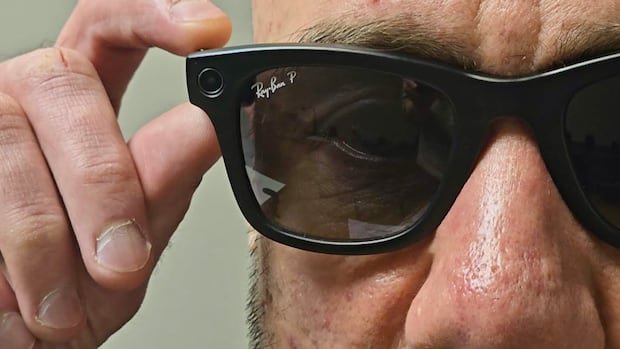

Norway is considering implementing a temporary ban on the use of smart glasses in certain public spaces to address concerns regarding privacy violations. The proposed ban would cover locations like healthcare facilities, fitness centers with changing rooms, schools, kindergartens, playgrounds, and youth clubs, where privacy is deemed crucial. Additionally, it could extend to public events, parks, beaches, museums, and shopping centers.
The aim of the temporary ban is to allow authorities time to determine which types of devices would be affected and to deliberate on whether permanent regulations are necessary. The government clarified that the proposal does not entail a complete ban and acknowledged that smart glasses may still be permitted in specific settings and for personal use. Exceptions may also be considered for vulnerable groups to enable socially beneficial uses of smart glasses under certain circumstances.
Privacy advocates have praised Norway’s initiative as a necessary safeguard against intrusive data collection by major tech companies. Meanwhile, Meta, the company behind AI glasses developed with Ray-Ban, emphasizes respecting individual preferences and provides guidance on responsible usage. Despite such measures, some privacy groups have observed a rising resistance to AI glasses, with certain retailers suspending sales of these devices.
In a related development, the UK Cinema Association announced plans to introduce policies restricting the use of camera-enabled smart glasses in cinemas due to concerns about privacy infringements and potential piracy issues. The move comes amidst a broader global debate on the ethical implications of smart glasses technology and its impact on personal privacy.