

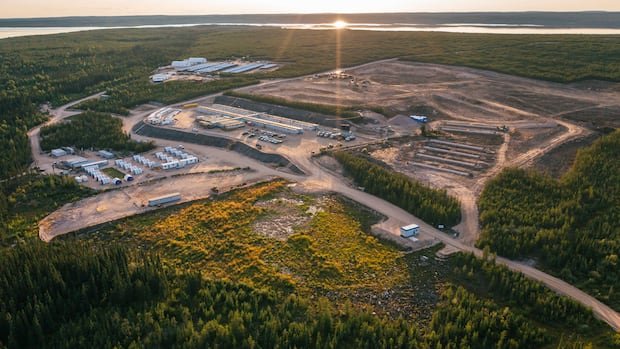

Construction has officially commenced on a new uranium mine in northern Saskatchewan. NexGen Energy Ltd. is initiating the development of an underground uranium mine in the southern Athabasca Basin, located approximately 130 kilometers north of La Loche. The company anticipates investing $2.2 billion over a four-year period in constructing one of the world’s largest new uranium sources.
A groundbreaking ceremony was held at the mine site, where Premier Scott Moe and former Prime Minister Stephen Harper, alongside local leaders from Metis Nation-Saskatchewan and Desnethé-Missinippi-Churchill River MP Buckley Belanger, addressed the audience. Initial activities involve the construction of surface infrastructure, with shaft development slated to commence in 2027. Moreover, the current 914-meter airstrip is undergoing expansion to 1,780 meters.
Reflecting on the journey, NexGen CEO Leigh Curyer mentioned the challenges faced since their arrival in 2012, emphasizing the significant discovery made during drilling in 2014. The company stumbled upon a substantial mineral deposit, marking a pivotal moment in their pursuit of what has now evolved into a crucial energy project.
NexGen envisions the mine as a vital contributor to meeting the escalating global electricity demand. Highlighting the evolving landscape driven by advancements in technology and energy requirements, Curyer emphasized the strategic importance of uranium in the current energy scenario.
The company projects an annual uranium production capacity of up to 30 million pounds (over 13,000 tonnes), representing approximately 20% of the current global supply. In March, NexGen secured a construction and mill operation license from the Canadian Nuclear Safety Commission, with plans to apply for an operational license in due course.
Upon full operation, the mine is expected to generate 459 full-time jobs and operate for a lifespan of 24 years. Ongoing exploration activities in the vicinity hint at the potential development of additional uranium deposits. NexGen has garnered support from Indigenous communities impacted by the project, signing beneficial agreements with several local nations.
Premier Scott Moe underscored the significance of responsibly exploiting Saskatchewan’s resources, emphasizing the economic benefits and clean energy prospects associated with uranium mining. The involvement of local communities and the creation of sustainable job opportunities are crucial aspects of the project’s development.
In parallel, another uranium mine construction is underway in northern Saskatchewan by Denison Mines Corp. The Phoenix uranium mine and mill site in the eastern Athabasca Basin are expected to commence production in 2028, utilizing an innovative in-situ recovery method. With an estimated initial capital outlay of $600 million, Denison aims to operate the mine for a decade, leveraging its substantial uranium reserves to contribute to the region’s energy landscape.