

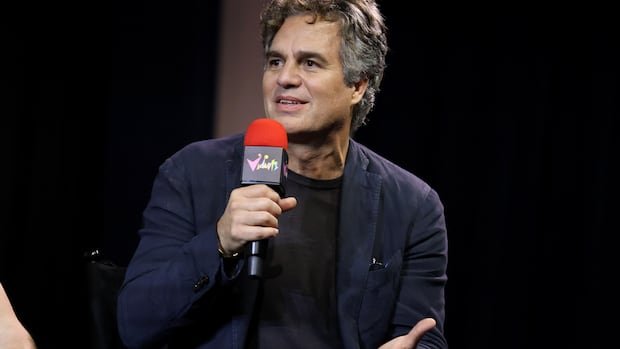

More than 170 Jewish individuals in the entertainment industry, such as Hannah Einbinder, Joel Coen, and Canadian filmmaker Emma Seligman, have collectively supported American actor Mark Ruffalo against what they perceive as an unjust defamation campaign. The group, comprising Jewish artists, writers, and faith leaders, released a public letter on Tuesday denouncing the alleged misuse of accusations of antisemitism aimed at Ruffalo. They stand against the backlash he faced for criticizing Paramount Skydance’s potential merger with Warner Bros. Discovery and tying it to the conflict in Gaza.
Paramount Skydance, co-owned by CEO David Ellison and his father Larry Ellison, who is also the co-founder of Oracle, has publicly backed Israel, with a high-ranking executive acknowledging technology sharing with the Israeli military. The ongoing dispute between Ruffalo and Paramount escalated when the company accused Ruffalo of invoking antisemitic stereotypes in his opposition to the merger.
In a separate development, more than 1,000 Jewish members of the entertainment industry had previously criticized Ruffalo’s remarks for allegedly singling out Jewish executives and using language associated with historical antisemitic theories. Despite the ongoing controversy, Ruffalo has reiterated that his criticism is directed at specific actions and individuals rather than a community, emphasizing his respect and affection for Jewish people.
The latest open letter supporting Ruffalo was endorsed by prominent figures like author Naomi Klein, retired rabbi David Mivasair, physician Gabor Maté, American actor Ilana Glazer, and filmmaker Jane Schoenbrun. Their message of solidarity with Ruffalo emphasizes the importance of speaking out against perceived injustices and truthfully challenging those in power.
The conflict surrounding the potential merger of Paramount Skydance and Warner Bros., valued at $110 billion US, has been further complicated by legal challenges from U.S. state attorneys general citing antitrust concerns. The merged entity would wield significant control over lucrative franchises like Harry Potter, the DC superhero series, and CNN, raising apprehensions about competition and consumer impact within the entertainment industry.
Ruffalo’s critique of the merger, particularly focusing on Oracle’s involvement with the Israeli military, has drawn attention to broader ethical and geopolitical considerations. His concerns about the potential consequences of consolidating media conglomerates and the implications for industry competitiveness have sparked discussions about the intersection of business interests and social responsibility.
The ongoing debate underscores the complexities surrounding corporate mergers, geopolitical conflicts, and ethical considerations, with Ruffalo’s advocacy shedding light on the broader implications of industry consolidation and the need for transparency in business dealings.