


Rising costs for food and housing have been widely discussed as contributors to the affordability crisis. However, data from the consumer price index (CPI) reveals that the expenses for maintaining good health have also surged nearly as much as overall inflation since reaching its peak in June 2022.
The increase in health-care expenses may not be as noticeable to many Canadians, according to experts. This is partly because several costs are covered by the public health-care system, which is not factored into the CPI data. Additionally, typical out-of-pocket health expenditures may occur sporadically, unlike regular expenses such as rent or groceries.
Although health-care prices have been following an upward trend in recent years, Andrew Longhurst, a senior researcher at the Canadian Centre for Policy Alternatives (CCPA), believes this trend may continue to intensify. The overall inflation rate, known as all-items CPI, has risen by just over 11 percent since June 2022. In comparison, the category encompassing health and personal care has increased by over 15 percent during the same period, ranking behind shelter costs (up by more than 16 percent) and food prices (nearly 19 percent).
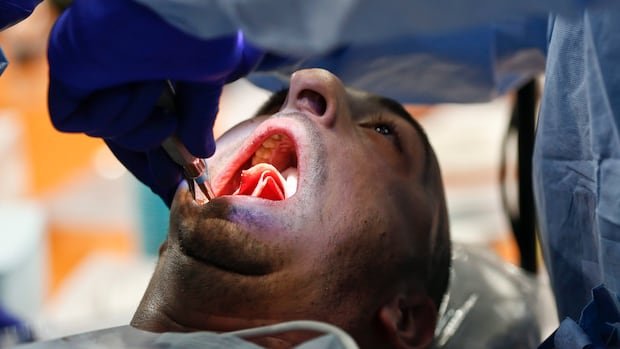
The subset of health-care services, including eye exams, physiotherapy appointments, and basic dental care, has witnessed an 18.5 percent increase, nearly on par with the rise in food prices. Dental care services and eye care goods have seen a 20 percent price hike since June 2022, reflecting a divide between public and private sectors in the health-care industry where costs are regulated on one side.
Statistics from Statistics Canada indicate that health-care service prices have consistently outpaced overall inflation even before the onset of the COVID-19 pandemic. This trend is attributed to the economic realities of health and dental services, where a significant portion of expenses is attributed to skilled labor costs.
Private spending on health care has been progressively growing, with Canadians increasingly bearing more of the financial burden through private expenditures. A recent analysis by the CCPA found that private health-care spending per person grew by 8.1 percent from 2021 to 2023, almost doubling the rate of public spending growth.
The concern raised by experts is that the escalating costs may disproportionately impact individuals who are less financially resilient. Longhurst emphasized the existing disparities in access to care based on income levels and the ability to afford out-of-pocket services, underscoring the need for government intervention to bridge these gaps and ensure equitable access to health care services.