

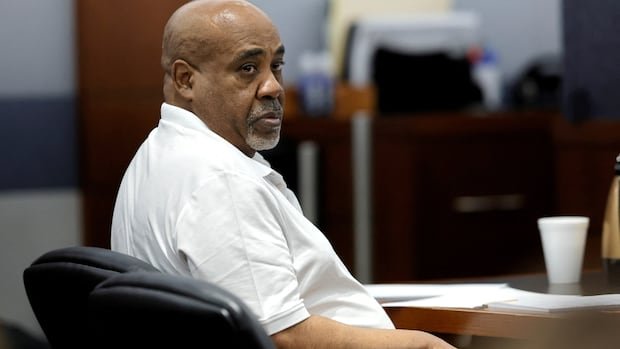

A former leader of a street gang, Duane (Keffe D) Davis, is set to begin his murder trial in Clark County, Nevada, for allegedly orchestrating the drive-by shooting that resulted in the death of iconic hip-hop artist Tupac Shakur in Las Vegas in 1996. Davis, 63, faces a murder charge involving the use of a deadly weapon and has pleaded not guilty to the accusations. The incident, a significant moment in rap history, saw Shakur, a prominent figure in the rap industry, being fatally shot near the Las Vegas Strip.
The murder of Shakur contributed to the perception of violence within hip-hop culture and its association with gangsta rap during that era, fueling the East Coast-West Coast rap rivalry. Following Davis’s arrest in 2023, authorities revealed that he had long been a suspect in the case but lacked substantial evidence until he started making self-incriminating statements publicly.
The trial, presided over by Judge Carli Kierny, is anticipated to span up to six weeks at a Las Vegas courthouse. The proceedings may include testimony from Marion (Suge) Knight, the co-founder of Death Row Records, who was present with Shakur on the night of the shooting and is currently serving a prison sentence for a different conviction.
Law enforcement officials have labeled Davis as the “shot caller” behind a swift plan to avenge the assault on his nephew by Shakur and his associates at the MGM Grand casino on September 7, 1996. The altercation reportedly arose from tensions between two Los Angeles-based street gangs, the South Side Compton Crips, led by Davis, and Mob Piru, linked to Knight and Death Row Records, who had gathered in Las Vegas for a boxing match.
Allegedly, Davis acquired the murder weapon and passed it to two individuals in a white Cadillac, who then pursued Knight and Shakur’s vehicle after the casino altercation. The ensuing confrontation resulted in Shakur being shot four times, leading to his death six days later. Knight, driving the vehicle, sustained a minor injury from a bullet fragment.
Despite the case going cold for years, Davis’s statements in 2018 to various media outlets reignited interest in the investigation. In his interviews and 2019 memoir, “Compton Street Legend,” Davis confessed to his role in the shooting but did not specify who fired the fatal shots at Shakur. The individuals present in the Cadillac with Davis during the incident have all since passed away.
Under Nevada law, Davis can be held accountable for murder even if he did not physically pull the trigger. In his book, Davis hinted at his involvement in the deaths of both Shakur and another rapper, Christopher Wallace (The Notorious B.I.G.), whose murder in 1997 in Los Angeles remains unsolved. Investigators have long suspected a connection between the two killings, suggesting a retaliatory motive for Wallace’s death following Shakur’s assassination.