

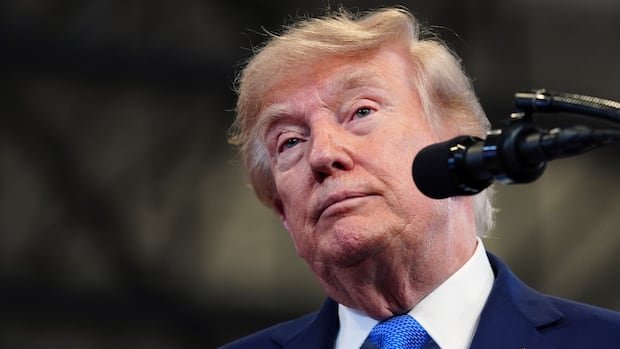

The United States Supreme Court has rejected U.S. President Donald Trump’s appeal for the second time regarding a $5 million verdict in favor of E. Jean Carroll. The jury found Trump liable for sexually abusing and defaming the former magazine columnist. Trump had requested the court to reconsider their previous decision in June, which denied his appeal of the 2023 jury verdict related to allegations of raping Carroll in the 1990s in a Manhattan department store’s dressing room. Trump’s legal team argued that the trial was unfair.
The court’s order was issued without any explanation, as the Supreme Court seldom grants requests for reconsideration. Additionally, the justices are currently considering Trump’s appeal of another $83.3 million jury verdict for defaming Carroll in 2019 during his first presidential term. Trump’s lawyers claim that presidential immunity protects him from Carroll’s claims and assert that lower courts wrongly ruled that he had waived that defense.
The ongoing legal battle between Trump and Carroll dates back to 2019 when Carroll accused Trump of raping her in a Manhattan department store dressing room in the mid-1990s. Trump has consistently denied these allegations, calling them lies both during his presidency and afterward. The $5 million verdict was based on Trump’s statements in 2022 where he referred to Carroll’s claim as a “hoax” and a “con job” on social media. The jury found Trump guilty of sexually abusing and defaming Carroll but did not confirm Carroll’s claim of rape.
Following the Supreme Court’s rejection of Trump’s appeal in June, Carroll received nearly $5.63 million from Trump, including the original $5 million civil verdict plus interest. Trump’s lawyers argue that the issue of presidential immunity raised in the $83.3 million verdict case could also impact the 2023 verdict. The Supreme Court’s landmark 2024 decision established that former presidents have immunity from criminal prosecution for actions taken within their constitutional powers during their term, while the Carroll cases remain civil lawsuits.