

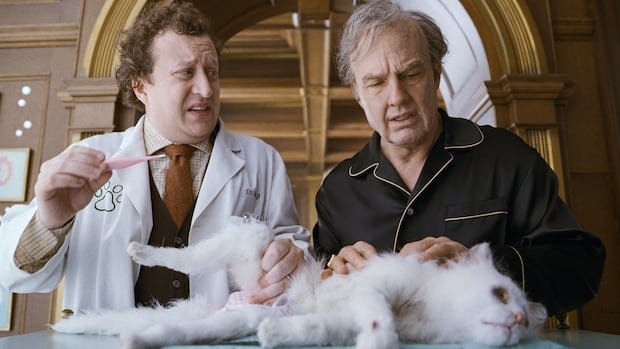

Despite the return of a prominent actor to serious roles, the film “Digger” appears poised to be one of the biggest box-office failures of the year, despite having a two-time Oscar-winning director and significant publicity. According to reports, the dark comedy directed by Alejandro G. Iñárritu and starring Tom Cruise experienced a significant increase in production costs, with the budget expanding from $125 million US to $160-180 million US. This places the break-even point at around $350 million US, factoring in marketing expenses. However, Warner Bros. contested this figure, stating their actual break-even point is closer to $300 million US.
The film only managed to earn $1.2 million US in previews, leading industry sources to predict a domestic opening weekend gross of $12-15 million US. This underwhelming performance adds to Warner Bros.’ string of disappointments in a year marked by lackluster box-office results. “Digger,” a peculiar tale about an oil magnate tasked with rectifying a disaster caused by his drilling activities, opted to forgo the traditional festival route, relying on word-of-mouth and star power to draw audiences to theaters.
Despite being helmed by acclaimed director Iñárritu, known for his past successes at the Oscars with films like “Birdman” and “The Revenant,” early critical reception for “Digger” has been largely negative. Some reviews have labeled it as one of Tom Cruise’s worst films, a metafictional mess, and a cumbersome cinematic endeavor. Even positive critiques acknowledge the film’s experimental nature and predict challenges in recouping its budget.
Warner Bros. faces a challenging situation with “Digger” potentially joining the ranks of 2026’s box-office failures like “Melania” and “Desert Warrior.” While there is speculation about Cruise’s awards prospects and the film’s appeal on streaming platforms, its lackluster performance raises concerns for the studio’s future artistic decisions post-merger with Paramount. The film’s disappointing outcome coincides with significant changes in Warner’s leadership, hinting at potential shifts in the conglomerate’s filmmaking strategies.