

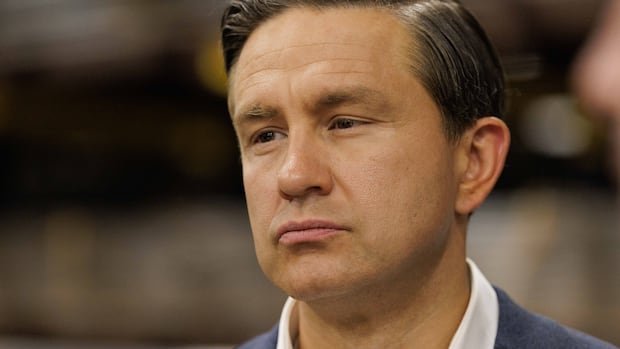

Conservative Leader Pierre Poilievre is urging Prime Minister Mark Carney to reconvene Parliament to provide insights into the rejected U.S. trade deal and clarify how Canadians will be impacted by his retaliatory measures. In a communication to Carney, Poilievre emphasized the need for transparency by releasing the deal’s text for public scrutiny to assess available options. Furthermore, he highlighted concerns about the potential financial implications of Carney’s trade policies, such as increased prices on essential goods like groceries and fuel.
Poilievre also raised questions regarding the safeguarding of crucial industries like steel, aluminum, lumber, and auto manufacturing which face threats due to tariffs. Carney halted trade discussions with the United States, citing restrictive measures imposed by the U.S. administration that hindered Canada’s trade flexibility. He vowed to impose counter-tariffs in response to the new U.S. tariffs that took effect recently.
Stressing the importance of accountability, Poilievre emphasized Parliament’s responsibility to address the economic challenges facing the country. He emphasized the urgency in prioritizing national interests amidst escalating trade tensions. The concerns expressed by Poilievre align with those articulated by Canada-U.S. relations critic Shuvaloy Majumdar, underscoring the need for clarity on the deal’s terms.
Transparency emerged as a key issue, with Poilievre accusing Carney of withholding information on past agreements, like the Gordie Howe Bridge deal, until they were made public. Poilievre insisted on addressing critical questions promptly, underlining the imperative to act decisively to protect Canada’s interests.
The rejected deal witnessed the imposition of substantial tariffs by the U.S. on various Canadian exports, prompting Carney to label it as unfavorable. In response, Canada announced retaliatory tariffs set to commence in early September. The situation escalated as U.S. President Donald Trump criticized Canada on social media, emphasizing the ongoing tensions between the two nations.
While other opposition parties refrained from demanding public disclosure of the rejected deal’s details, they supported the idea of government briefings to update party leaders and MPs on the trade negotiations. Carney accused the U.S. of introducing last-minute provisions that constrained Canada’s trade autonomy and compromised its cultural protections. Despite the U.S. proposing tariff reductions on certain vehicles, the offer lacked inclusivity, further complicating the negotiations.