


For the first time in three years, the Bank of Canada has increased its key policy rate, which will impact mortgage rates for many Canadians.
On Wednesday, the central bank raised its benchmark rate by 0.25 percentage points to 2.5 percent. According to Bank of Canada Governor Tiff Macklem, additional increases may occur if inflation, primarily driven by escalating fuel prices, continues in the upcoming months.
Canada’s largest banking institutions are already adjusting by increasing their prime interest rates in line with Wednesday’s announcement. All five major banks in Canada have raised their prime rates by 0.25 percentage points to 4.70 percent, which is the rate extended to their most creditworthy clients.
-
Bank of Canada governor states that the rate increase to 2.5% was necessary due to ongoing inflation
The initial impact will be felt by holders of variable-rate mortgages, as these are directly tied to the bank’s prime rate.
In contrast, rates for new fixed-rate mortgages are influenced by the bond market. When interest rates rise, newly issued bonds provide higher returns. As demand for greater yields increases, lenders raise mortgage rates to protect their profit margins.
“Deciding between fixed and variable rates can be quite challenging in a rising rate environment. While variable rates are lower and offer flexibility, it’s important to account for potential future increases,” stated Clay Jarvis, a mortgage specialist at Ratehub.ca, in a press release following the rate announcement.
“Fixed rates may be higher, but once you qualify, your mortgage costs remain stable. That assurance can justify the premium,” he added.
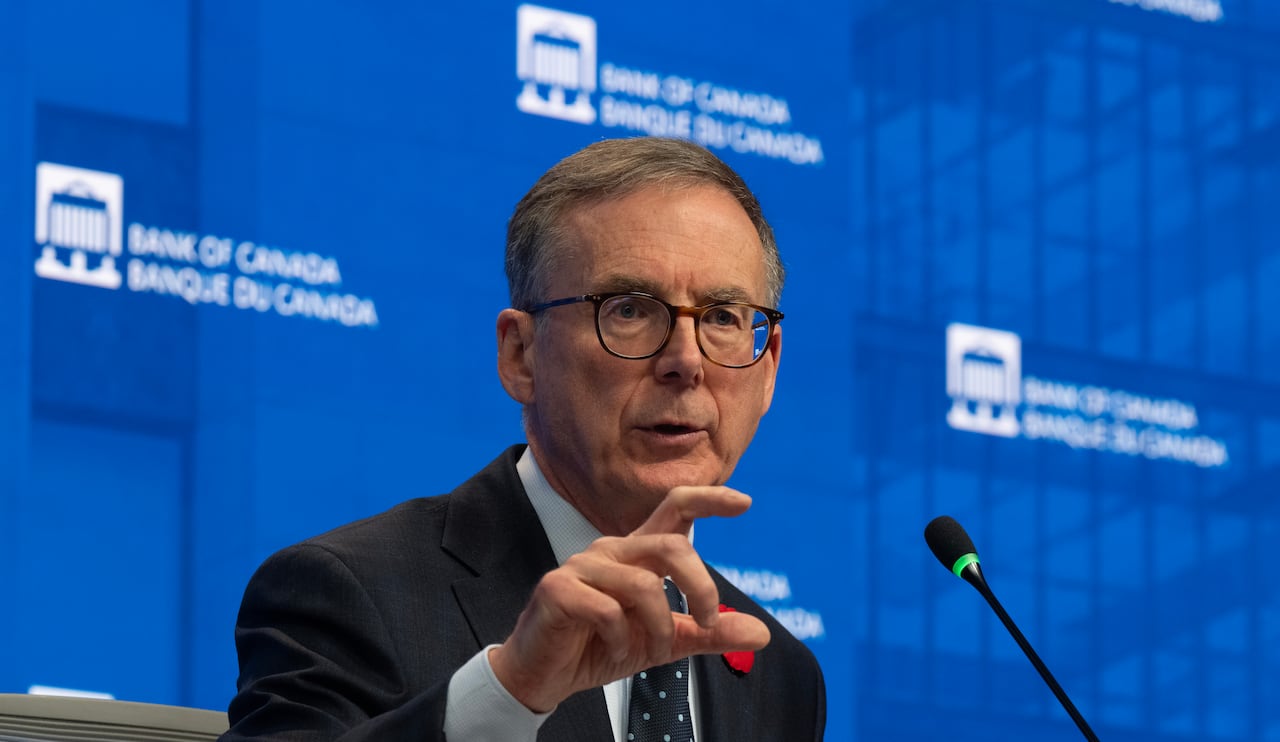
Bank of Canada Governor Tiff Macklem addresses reporters during a news conference on Wednesday in Ottawa, where the central bank’s governing council made the decision to increase interest rates by a quarter percent. (Adrian Wyld/The Canadian Press)
During the press conference in Ottawa on Wednesday, Macklem recognized that increasing interest rates might pose challenges for many Canadians and businesses.
“We understand,” he remarked. “It won’t be pleasant at first, but this is how we bring inflation down, which will ultimately benefit Canadians and their businesses.”
Variable rate mortgage holders will be the most affected
The initial rate increase since July 2023 will have an immediate effect on those with variable-rate mortgages. Broker Marcus Tzaferis, based in Toronto, indicates that this adjustment may be considerable.
For a $500,000 mortgage, a 25-basis-point increase would result in an approximate $70 rise in monthly payments. While this might not seem substantial, Tzaferis noted, “for a consumer who is already financially strained, these incremental increases of 25 basis points will have a significant effect.”
The central bank has also indicated that further rate hikes might be forthcoming — and should they raise rates by an additional 50 or 75 basis points, Tzaferis warned, “the impact on households’ monthly budgets would be evident.”
Anticipating the rate hikes, Tzaferis mentioned receiving numerous inquiries from Canadians looking to evaluate their options.

Barbara Best stands in her Toronto condo kitchen on Wednesday. She recently transitioned from a variable to a fixed-rate mortgage and believes the increased costs are justified for her peace of mind. (Laura MacNaughton/CBC)
Barbara Best, who has held a variable-rate mortgage on her condo in Toronto since 2022 — the same year the Bank of Canada initiated a prolonged period of rate increases — has recently opted to switch to a fixed-rate mortgage several months ahead of her renewal date.
Although fixed rates are currently significantly higher than variable rates, she acknowledges the increased monthly payments are worthwhile.
“It was a significant increase in payment, but it offers me certainty. It provides me peace of mind,” Best explained.
Tzaferis advises that “now is the optimal time” for those wanting to transition from variable to fixed-rate mortgages or for those with impending renewals to explore their options.
“The key is for Canadians to start their renewal process early,” Tzaferis emphasized. Understanding the best available rates in the market and initiating discussions with a financial advisor can help consumers make informed choices, according to Tzaferis.
Rate hike may dampen housing market further
This rate increase is also likely to exacerbate the already weakened housing market.
Deputy Governor Carolyn Rogers noted that Canada’s housing market is currently facing difficulties, especially in Ontario and British Columbia, and this rate increase will contribute to those challenges.
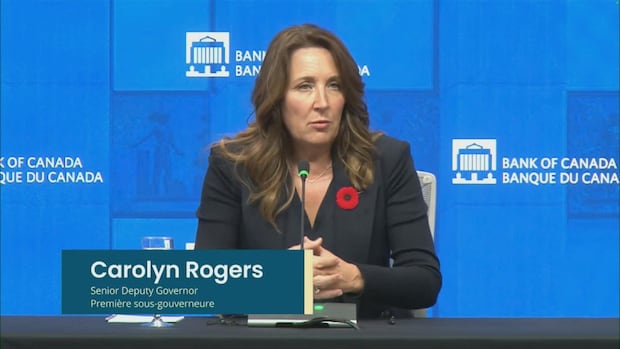
Bank of Canada Senior Deputy Governor Carolyn Rogers stated after the key interest rate was raised that the organization’s perspective on housing is ‘pretty subdued’ for various reasons, including economic uncertainty.
The rate increase on Wednesday reduces the pool of potential buyers, shifting the balance of power from sellers to those who qualify for necessary financing to make purchases. Home prices may experience further declines.
Earlier this month, the Canadian Real Estate Association (CREA) downgraded its 2026 home sales projections for the third time this year.
Joel Fox, Chief Operating Officer of the Toronto-based real estate law platform Ownright, concurs that Wednesday’s rate hike will further dampen the outlook in the housing market.
“A rate increase likely locks us into year-over-year declines in housing activity for the remainder of this year and into the next, and I don’t anticipate any recovery until rates decrease,” he commented following the rate decision on Wednesday.
“The market is already in a dismal state, and it’s hard to envision it declining much more,” he added.