

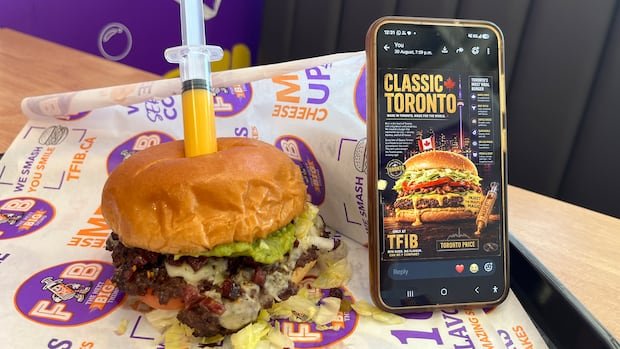

From quirky sandwiches to shrimp shaped like doughnuts, artificial intelligence (AI) is making its way into the food scene at fast-food joints. Customers are sharing online photos of food displays that appear artificial, rubbery, and surreal, possibly generated using AI tools that create visuals inexpensively.
Some diners find these AI-generated food images unappetizing and even disturbing. There are concerns that such imagery may misrepresent the actual food and reflect poorly on the restaurant’s authenticity and values, deterring potential customers like Cynthia Lem.
While some consumers worry about potential misleading representations, restaurant owners see AI as a cost-effective solution in an industry with tight profit margins. Marketing experts suggest that if AI-generated food imagery is done thoughtfully, it can be beneficial for small businesses struggling to afford professional photography.
However, the use of AI in food imagery raises questions about potential false advertising. Consumers fear that the enhanced images on menus may not accurately reflect the actual product they receive. Marketing professors emphasize the importance of balancing appealing imagery with transparency to avoid misleading customers.
Despite the convenience and cost-saving benefits, some industry professionals, such as food stylist Zoe Rousseau, believe that authentic, carefully curated food staging remains superior to AI-generated images. They argue that the human touch and attention to detail in traditional food styling cannot be replicated by AI technology.
In conclusion, while AI offers efficiency and affordability in creating food imagery, the debate continues on whether it compromises authenticity and transparency in the restaurant industry. The pushback against AI-generated food visuals may lead to a resurgence in traditional food styling practices, emphasizing the unique value of human creativity and expertise in presenting culinary creations.