


The G7 countries have announced their decision to release 100 million barrels of oil, with a focus on providing ample quantities of diesel, in response to the recent surge in fuel prices in the United States. President Donald Trump confirmed on social media that the release of diesel would occur without delay, aligning with the G7’s commitment to initiate a significant diesel release within the next 20 days, followed by the remaining amount over a four-month period.
Trump and the Republican Party are under pressure to tackle the escalating prices prior to the November 3 midterm elections. The president’s popularity has declined due to the impact of the Iran conflict and trade disputes on oil and commodity costs in the U.S. Diesel and gasoline prices have risen during the prolonged conflict, a situation Trump believes is necessary to prevent Iran from acquiring nuclear weapons. Despite his assurances that prices will decrease post-conflict, there is no clear resolution in sight.
The average price of diesel in Canada stands at $2.63 per liter as of Thursday, with some cities like Vancouver experiencing even higher costs, around $2.71 per liter. The elevated prices are straining transport truck drivers and farmers who depend on diesel to operate their vehicles and machinery.
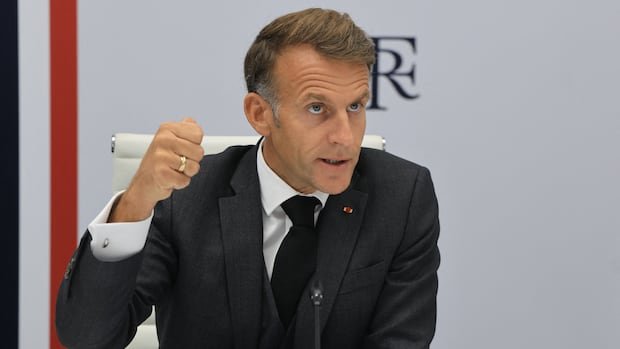
France, currently holding the rotating presidency of the G7, made the announcement following videoconference discussions led by French President Emmanuel Macron. The G7 comprises Canada, France, Germany, Italy, Japan, the U.K., the U.S., and EU representation. The International Energy Agency will oversee the coordinated effort to address the soaring fuel prices.
The statement released after the talks outlined the commitment to release 100 million barrels of oil over four months, with an immediate start by G7 members and partners, including a substantial diesel release within the initial 20 days. This step follows a previous announcement in March by the International Energy Agency member countries to release 426 million barrels of oil and products to stabilize the oil market.
Moreover, Trump recently proposed a potential ban on diesel exports to lower gas prices for American consumers, a move that experts caution could strain the global fuel market further and drive up prices worldwide. The G7 statement emphasized that while they agreed not to restrict energy exports to one another, all producers should avoid imposing bans that could worsen market tensions.
Trump discussed the need to address the rising fuel costs and petroleum product availability with Macron before leading the videoconference. A new AP-NORC poll revealed that a majority of U.S. adults attribute higher prices to Trump, resulting in a decline in approval ratings for his economic management.