

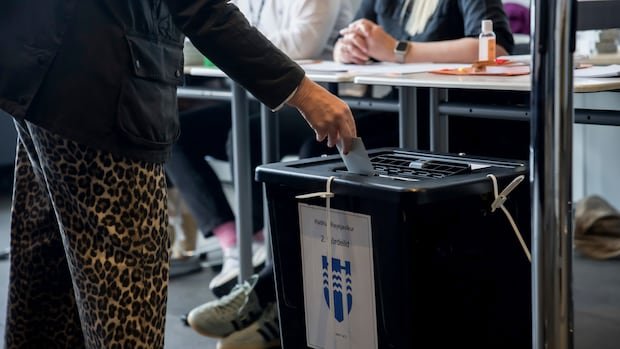

Voters in Iceland headed to the polls over the weekend to determine whether to restart discussions about Iceland joining the European Union, amidst concerns raised by U.S. President Donald Trump regarding Greenland. The referendum posed a straightforward question to approximately 265,000 eligible voters: Should Iceland resume talks with the European Union?
A positive vote would initiate negotiations with the European Commission, covering various aspects such as the economy and human rights. Proponents believe that EU membership could provide safeguards against potential threats from Trump and offer economic stability. Conversely, opponents argue that joining the EU could jeopardize Iceland’s valuable fishing resources and point out the existing benefits derived from participation in the EU’s single market and the Schengen area.
Anticipated to be a closely contested decision, more than 20% of voters participated in early voting before the referendum day, as reported by Iceland’s national broadcaster RÚV.
The concerns regarding Trump’s expressed interest in controlling Greenland, located just 290 kilometers from Iceland, have resonated within the Icelandic community. The fear of potential repercussions on Iceland has fueled discussions about the protective role EU membership could play against any future ambitions of the U.S. in the North Atlantic.
The current left-leaning coalition government, elected in 2024, views EU membership as a strategic move to safeguard Iceland’s interests in an increasingly uncertain geopolitical environment.
The issue of EU accession has been a topic of debate in Iceland for years, with the country previously halting its EU membership bid in 2015 primarily due to concerns related to the impact on its fishing industry. Fishing plays a crucial role in Iceland’s economy and cultural heritage, with fishing rights being a major point of contention in the lead-up to the referendum.
Joining the EU would necessitate Iceland’s compliance with the bloc’s fisheries policy, potentially allowing foreign trawlers into its waters. The government has signaled its intention to negotiate a special arrangement, possibly securing an exemption from certain EU policies.
As the referendum approached, Prime Minister Kristrún Frostadóttir emphasized that the vote was not a final decision on EU membership and reassured voters that another referendum would be held once an accession agreement is reached.
The referendum holds implications beyond just economic or political considerations, as it touches on Iceland’s national identity and independence. The country’s historical defiance against external pressures, exemplified by the Cod Wars with Britain, underscores the importance of maintaining sovereignty in crucial matters like fishing rights.
While proponents of EU membership argue for closer ties with European allies to address transnational challenges like climate change, opponents contend that Iceland already benefits from European integration without sacrificing its autonomy. The debate reflects deep-rooted concerns about preserving Iceland’s unique identity and economic interests outside the EU framework.