


A new set of U.S. tariffs imposed on Canada has the potential to trigger job cuts and economic instability throughout Alberta, according to experts who voiced their concerns on Monday. While provinces like Ontario, British Columbia, and Quebec are expected to bear a direct impact due to the 50 percent tariffs recently announced by U.S. President Donald Trump on Canadian goods worth billions of dollars, the University of Calgary economist Trevor Tombe projected that Alberta could face up to 9,000 job losses as a long-term consequence of these measures. Tombe emphasized that the job losses in Alberta would primarily affect businesses dealing with increased taxes on their U.S. exports. Additionally, he highlighted the indirect repercussions of tariffs, causing ripple effects across the supply chain and affecting firms that provide services or materials to exporters.
The introduction of these new tariffs followed the breakdown of last-minute trade negotiations between Canada and the U.S. In response, Prime Minister Mark Carney pledged retaliatory tariffs starting on September 8, matching the U.S. tariffs dollar for dollar. The specifics of Canada’s retaliatory measures are expected to be disclosed on Tuesday.
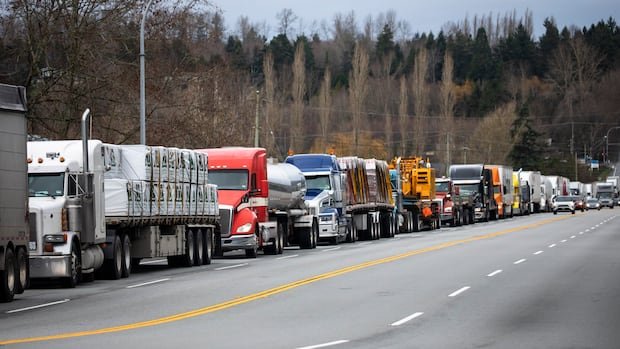
Tombe pointed out that Alberta’s agricultural sector, along with industries such as plastics and electrical components, faces direct and indirect vulnerability to the new tariffs. He also indicated that the truck transportation industry is at a heightened risk of job losses due to potential reductions in goods transportation.
Robert Harper, president of the Alberta Motor Transport Association, expressed concerns that reduced economic activity could lead to a decline in trucking operations and subsequently impact employment in the industry. While Alberta’s energy sector remains relatively active compared to other provinces, Harper noted that the trucking industry is often an early indicator of economic trends.
Gitane De Silva, executive director of the University of Alberta’s Peter Lougheed School of Politics and Democracy, highlighted that despite most of Alberta’s exports not directly facing the impact of the new tariffs, the province’s major industries are not immune to the trade dispute’s consequences. She emphasized that any cooling effect on the economy would inevitably affect the energy sector in Alberta.
In response to the threat of tariffs, some Alberta businesses have adapted their strategies to navigate the challenges posed by the trade dispute. For instance, Connor Curran, founder of Local Laundry, shifted the focus of his apparel brand from retail to custom orders to mitigate the impacts of potential tariffs. Similarly, Graham Sherman, founder of Tool Shed Brewing, opted to source aluminum cans from China instead of the U.S. to avoid higher costs resulting from tariffs.
The looming uncertainty surrounding the trade dispute, including the possibility of further tariff escalations, is identified as a significant economic challenge by experts. Tombe warned that the prevailing uncertainty could lead to delays in investment and hiring decisions in Alberta and nationwide, dampening overall economic growth. He emphasized that the broad-reaching effects of the trade war create heightened uncertainty across various sectors of Canada’s economy, potentially stalling economic activity.
As the trade tensions between Canada and the U.S. persist, the economic landscape remains clouded with uncertainty, impacting businesses and industries in Alberta and beyond.