


Conservatives are urging the Liberals to disclose the contents of the U.S. tariff deal that was declined by the federal government last week. While some experts argue for transparency to promote national unity, others believe it could weaken Canada’s negotiation stance.
Following failed negotiations, U.S. President Donald Trump imposed 50% tariffs on numerous Canadian imports. Prime Minister Mark Carney stated that the American demands were excessive and the offers insufficient for a final agreement.
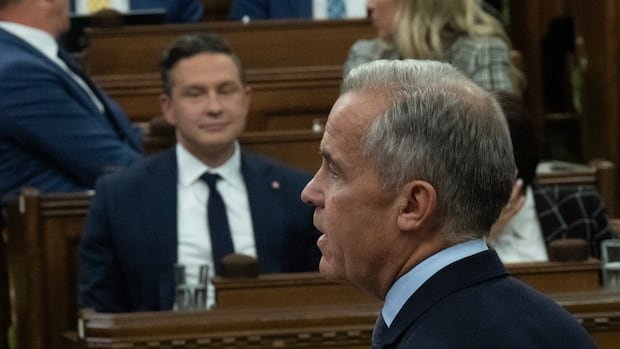
Conservative MPs are pressing for full transparency regarding the rejected agreement’s specifics. Conservative Leader Pierre Poilievre emphasized the importance of Canadians understanding the initial proposal and subsequent rejection to clarify the country’s objectives and challenges.
Bloc Québécois Leader Yves-François Blanchet expressed openness to the government releasing the details, emphasizing the agreement’s importance had it been reached. However, trade expert Lawrence Herman cautioned against revealing such sensitive information, citing the need for confidentiality in trade negotiations to prevent undermining Canada’s position in future talks.
While some experts support transparency, such as Carlo Dade from the University of Calgary, who highlighted the global context of trade negotiations, others like Jason Kenney stressed the complexity and confidentiality of trade talks. Finance Minister François-Philippe Champagne defended the government’s transparency, noting that key details had been widely reported in the media.
Though some, like Poilievre, argue that the U.S. likely has insight into Canada’s offers, others, including Kenney, emphasized the intricate nature of negotiations, often involving multiple versions and verbal agreements. Dade suggested that transparency could prevent division within Canada and urged the government to disclose the potential trade-offs to maintain national unity amid ongoing trade disputes.