

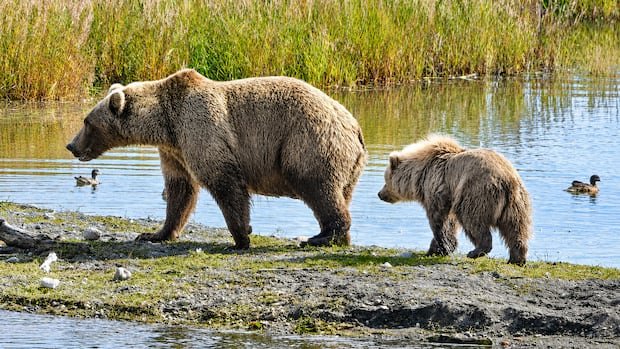

In a recent interview with naturalist Mike Fitz, he discussed the inclusion of mother bears and their cubs in this year’s edition of Fat Bear Week for the first time. Organized by Alaska’s Katmai National Park and Preserve, the annual contest showcases the park’s robust brown bears as they feast on salmon from the Brooks River to prepare for winter hibernation.
According to Fitz, there was a notable increase in bear families at the river this year, prompting the spotlight on five mother bears and their cubs in Fat Bear Week. He emphasized the importance of showcasing these families to highlight the direct correlation between a cub’s health and size with the mother’s dedication.
Fat Bear Week, which originated in 2014, has gained significant popularity over the years, inspiring similar events like Fat Marmot Week in Colorado. Last year saw over 1.7 million votes cast, with expectations of surpassing that number this year, as per Fitz, who now serves as the resident naturalist for Explore.org, a key organizer of the contest.
The competition features 16 bears or bear families competing in a bracket-style tournament, with Chunk, also known as Bear 32, reigning as the favorite after clinching victory in the previous year by reaching an impressive weight of 1,200 pounds despite nursing a broken jaw. However, Fitz highlighted potential contenders to watch, such as Bear 151, nicknamed Walker, and Bear 89, known as Backpack, who overcame a severe limp during adolescence to become a formidable competitor.
The focus this year is on the mother bears, as their fat reserves accumulated during summer and fall play a crucial role in their survival during the harsh winter months. Fitz stressed the significance of female bears entering hibernation with adequate body fat reserves not only for their own survival but also for nurturing their cubs. The presence of numerous cubs returning to Brooks River this year signifies the health of female bears in the previous season.
The success of Katmai bears is attributed to Alaskans’ efforts in safeguarding sockeye salmon, particularly in Bristol Bay, which hosts a significant salmon run. Fitz highlighted the importance of protecting salmon populations as a means to ensure the well-being of bear ecosystems. Despite the prosperity of sockeye salmon in Bristol Bay, challenges persist in other Alaskan regions due to climate change impacts on ocean food webs.
Enthusiasts of Fat Bear Week can participate by voting online throughout the week, with the winner set to be announced on September 29. The event serves as a reminder of the benefits that healthy salmon runs bring to ecosystems and underscores the need for continued conservation efforts to preserve these invaluable resources.