

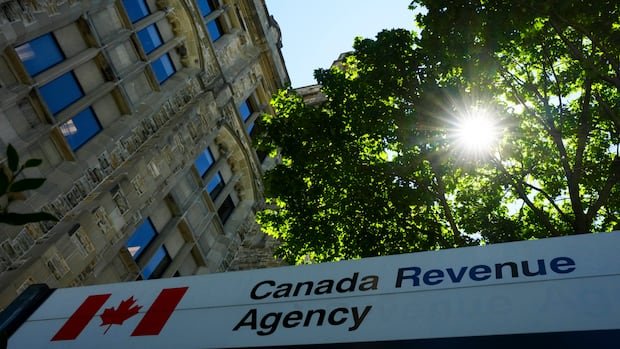

After more than six years since the onset of the COVID-19 pandemic, the federal government is still endeavoring to recover billions of dollars disbursed to Canadians who were later deemed ineligible for financial aid. As per a report by Maytree, an organization focusing on poverty research and advocacy, the efforts to reclaim these funds disproportionately impact low-income individuals who are financially strained, resulting in a net loss for the government.
The report urges the cessation of the government’s pursuit to recoup pandemic relief funds. Approximately $14 billion in COVID-related benefits were distributed by Ottawa to individuals who did not meet the income criteria set by the Canada Revenue Agency (CRA). The bulk of these payments were made under the Canada Emergency Response Benefit (CERB) and subsequently the Canada Recovery Benefit (CRB).
By the close of November last year, the CRA disclosed that $10 billion remained outstanding, with over $8 billion attributed to CERB and CRB disbursements. Despite numerous requests, the CRA did not furnish updated figures to CBC News over a span of more than two weeks.
The report emphasizes that the issue does not primarily involve fraudulent activities, but rather underscores the repercussions of swift government actions, ensuing errors, and the subsequent burden falling on those least equipped to handle it.
John Stapleton, co-author of the Maytree report and a social policy expert, acknowledged that while some individuals knowingly sought benefits they were ineligible for, there are others who unknowingly find themselves in dire straits due to the situation.
In the 2025 Budget, the government allocated $123 million over two years starting in 2026-27 to support the collection of outstanding pandemic relief funds. Stapleton and Tyler Meredith, a senior fellow at the Munk School of Public Policy, stress that many individuals with pending debts from pandemic benefits are from low-income backgrounds.
Meredith, a prominent figure in the economic response to the COVID-19 crisis, highlighted that the intent of the programs was to aid those who suffered income losses but acknowledged that there was a misconception that the benefits were akin to universal income.
The design of the Canada Emergency Response Benefit Act lacked provisions for recovery of funds from ineligible recipients during its initial implementation, according to Meredith. The government had to swiftly introduce new legislation due to the overwhelming volume of Canadians experiencing job losses amid the pandemic.
While the government allows for interest-free repayment options, the legislation governing CERB does not provide a mechanism for settlement agreements, leaving officials with limited flexibility in resolving outstanding debts. The CRA clarified that it is not obligated to pursue all ineligible payments and can consider deferrals or write-offs in cases of financial hardship.
Meredith cautioned against outright forgiveness of debts from ineligible benefits, proposing instead a phased repayment plan akin to approaches used in other government loan programs. The Maytree report suggests a structured timeline for winding down the collection of pandemic benefits and calls for a comprehensive examination of the government’s collection efforts by the Office of the Parliamentary Budget Officer.
The report also recommends amendments to the Income Tax Act to grant the CRA the authority to negotiate settlements on outstanding debts and to resolve a backlog of cases by 2026. Meredith stressed the need for the government to establish a clear framework for addressing the issue, considering the public’s perception and the potential fiscal implications of any decisions made.