


Researchers from Alberta have been studying the effectiveness of combining walking with psychotherapy as a treatment for post-traumatic stress disorder (PTSD). They recently conducted a clinical trial that adds to the existing evidence supporting this approach. Previous studies at the University of Alberta focused on veterans and active military personnel, but the research has now expanded to include emergency responders and healthcare workers.
The trial results were published earlier this year and showcased a treatment method called Multi-modal Motion-assisted Memory Desensitization and Reconsolidation (3MDR). While this technique was initially developed in the Netherlands over a decade ago, the University of Alberta is currently the sole Canadian research facility conducting trials on it.
Dr. Suzette Bremault-Phillips, an occupational therapist and professor at the University of Alberta, leads this research. She heads the Heroes in Mind Advocacy and Research Consortium (HiMARC), a group dedicated to supporting the well-being of military members and veterans. PTSD can lead to various mental health challenges like depression, anxiety, and insomnia, affecting individuals’ daily interactions and relationships.
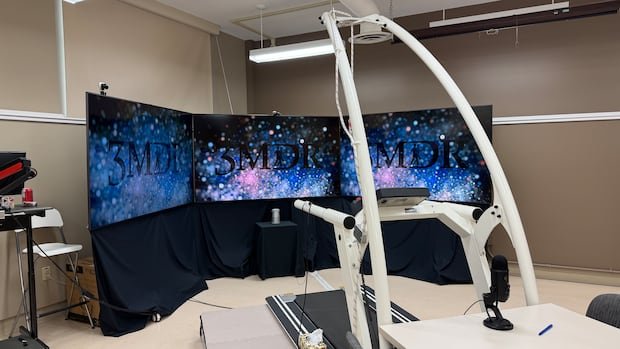
3MDR therapy integrates talk therapy, visual and auditory stimuli, and physical movement to help individuals with PTSD. During the session, patients walk on a treadmill while viewing triggering images related to their traumatic experiences. Therapists guide them through the process, gradually disconnecting them from distressing memories.
The study involved 48 participants, including military members, veterans, first responders, and healthcare workers, who underwent 3MDR therapy sessions lasting 10 to 14 weeks. Bremault-Phillips reported significant and rapid improvements in participants, especially those with treatment-resistant PTSD who had not responded to previous therapies.
Former Canadian military member Alex Petruk, though not a direct recipient of 3MDR treatment, expressed enthusiasm about the positive outcomes. He highlighted the barriers service members face in accessing traditional therapies and praised 3MDR for its physical engagement, which helps individuals focus and participate more effectively in treatment.
Petruk emphasized the role of 3MDR in creating a secure environment for veterans to address their trauma and potentially prevent the progression of PTSD. He suggested that the simplicity and portability of the treatment could make it accessible in remote areas or active war zones, benefiting soldiers by providing timely intervention and support.
Veterans Affairs Canada acknowledged 3MDR as a promising treatment for veterans with PTSD and stated its commitment to monitoring ongoing research on the therapy. The organization mentioned that veterans attending VAC-funded clinics in Edmonton and Calgary have been offered the chance to participate in 3MDR research trials.