

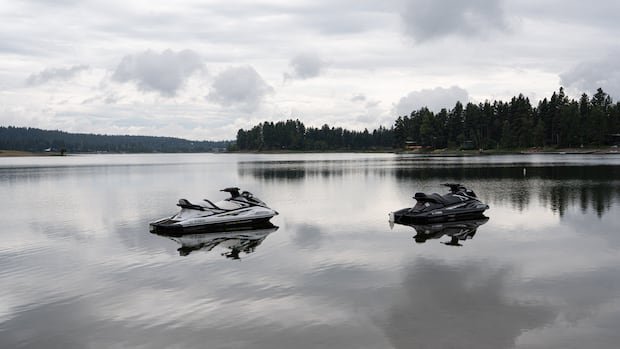

A recent evaluation of Wasa Lake is prompting concerns regarding its capacity to accommodate powerboating activities. The initial assessment of water and sediment quality, conducted by Larratt Aquatic Consulting on behalf of the Wasa Lake Land Improvement District, revealed that while the lake’s water quality was deemed suitable for recreational purposes based on limited 2025 sampling, widespread petroleum-based hydrocarbon contamination was detected in the sediment.
Wasa Lake, spanning an area of over one square kilometer, is situated within Wasa Lake Provincial Park, approximately 30 kilometers north of Cranbrook. The report highlighted that powerboating in shallow areas could potentially disturb sediment from the lake bed, posing environmental risks.
These findings have sparked a debate surrounding boating, water quality, and the necessity of imposing restrictions on Wasa Lake. According to the report, Wasa Lake received a “high risk” rating in a lake suitability index for powerboating, with only 13% of the lake meeting the criteria for safe powerboat operation in terms of depth and distance from the shore. The report also suggested that the lake could sustain only two powerboats or wake-surfing boats simultaneously, considering water quality and environmental factors.
The issue has long been a divisive one among those residing near Wasa Lake. The Wasa Lake Stewardship Volunteers, a local group dedicated to preserving the lake’s health and water quality, emphasized that the lake’s shallow and landlocked nature, coupled with limited water circulation, increases the risk of pollutant accumulation and disturbance compared to larger water systems with continuous flow.
Shauna Mabey, a dedicated volunteer in the area, expressed concerns about the resuspension of sediment by larger boats and advocated for potential measures such as speed limits, boat size restrictions, or other regulations. The Regional District of East Kootenay board recently agreed to urge Transport Canada to establish science-based guidelines to safeguard lake health from the impacts of powerboat usage.
Kimberley Mayor and RDEK Director Don McCormick stressed the importance of Transport Canada’s cooperation for any future regulatory actions. Mabey voiced apprehension about the potential deterioration of Wasa Lake if proactive steps are not taken promptly, emphasizing the urgency of addressing the issue to prevent long-term environmental harm.