

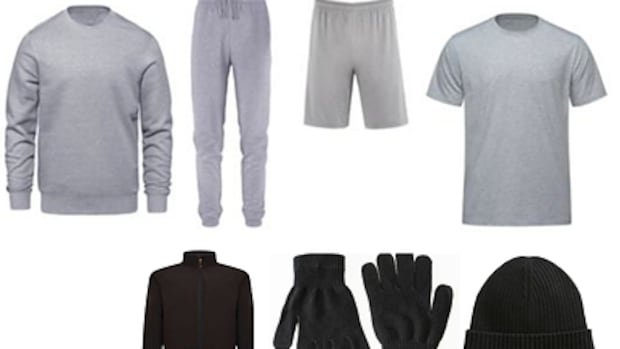

The Quebec government is implementing fresh strategies to prevent contraband from infiltrating its correctional facilities. A 12-month trial initiative will mandate inmates at the Roberval Detention Centre, situated 350 kilometers northeast of Montreal, to wear standardized attire starting in September.
By replacing personal clothing with uniforms, the search process will be streamlined, inmates will be easily distinguished from staff and visitors, and any affiliations with criminal groups that could incite violence will be eliminated, as stated by the Public Security Ministry in a recent press release. Currently, individuals in Quebec detention centers wear their own clothes, which has led to issues like smuggling illicit items, particularly drugs, concealed in clothing seams or shoes.
Isabelle Mailloux, director of the Montreal Correctional Network, highlighted the challenges posed by inmates using their clothing for smuggling activities. She mentioned that creative methods, such as soaking clothes in illicit substances, have been employed by incarcerated individuals. This move towards standardized uniforms is part of a broader security enhancement initiative in Quebec’s detention facilities, backed by a $35 million government investment in 2023.
The proposed uniform will include basic and comfortable clothing items like cotton-polyester T-shirts, long-sleeved sweatshirts, sweatpants, shorts, shoes, socks, and underwear. The selection of the Roberval facility for the pilot project was based on its sewing workshop, enabling inmates to craft their own pants. Quebec’s Domestic Security Minister Ian Lafrenière emphasized the initiative’s focus on promoting social reintegration through employment.
Additionally, the government is enhancing disciplinary measures by amending the regulations of Quebec’s correctional system. These amendments, effective from September 28, will empower detention center staff to report misconduct for various situations, including the introduction of prohibited items via drones. Mailloux expressed concerns about drones being a persistent issue that authorities have been grappling with.
Statistics from Quebec’s correctional services network revealed a significant drone presence near detention centers, with 1,521 sightings between April 1, 2025, and March 31, 2026. Recent data shows 234 drone sightings from April to June of the current year. The revised disciplinary system will enable harsher penalties for serious offenses like cellphone smuggling or infrastructure damage, including community service, canteen purchase suspensions, and extended isolation periods. These new sanctions aim to consider the inmates’ physical and psychological well-being. The government plans to evaluate the pilot project’s outcomes to decide on implementing standardized inmate uniforms across Quebec.