

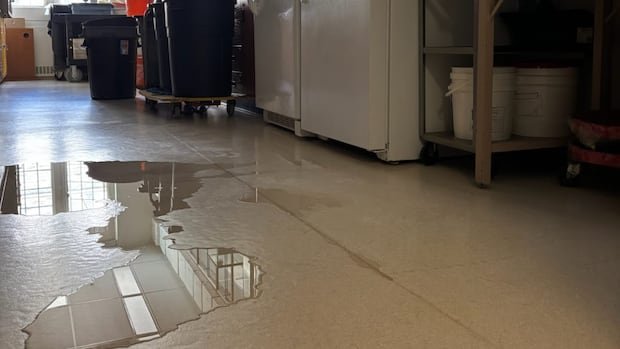

After a prolonged power outage lasting four days at Western University, essential research samples have been ruined, experiments postponed, and laboratory access restricted, causing distress among biology researchers safeguarding years of work. Multiple buildings including the Biological & Geological Sciences Building, Materials Sciences Addition, Chemistry Building, and Natural Sciences Centre have been without power since Friday, with uncertainty surrounding the restoration timeline. This incident marks the fifth significant power outage impacting the department since August 2025.
Beth MacDougall-Shackleton, a biology professor at Western, expressed concerns about the situation, emphasizing the negative impact on the university’s reputation. She highlighted the disparity in reliable power access compared to colleagues in other countries, stressing the critical need for stable conditions in biology research to support living organisms and temperature-sensitive materials.
The power outages have led to adverse consequences such as overheating growth chambers, thawing research sample freezers due to insufficient backup power, and difficulty in accessing animals used in studies. Moreover, the department has incurred financial losses in replacing essential research materials like reagents and enzymes. The most significant losses, however, extend beyond monetary value, as graduate students face the potential loss of months or even years of work breeding insects, growing plants, and cultivating bacterial strains.
Matheus Sanita Lima, a fifth-year PhD candidate in biology and chairperson of the Society of Biology Graduate Students, highlighted the irreplaceable nature of lost samples, including specimens from extinct species, collections dating back to the 1970s, and materials from long-term cohort studies that cannot be replicated. These losses not only disrupt ongoing research but also impose additional work timelines on graduate students.
In response to the ongoing challenges, students, faculty, and staff have united to demand action from Western’s administration. They seek improved communication during outages, transparency in restoration timelines, and long-term investments in upgrading the campus electrical system and maintenance staffing levels to prevent future disruptions. Despite efforts to address these issues, the university’s response has been a point of contention for concerned parties.
The repeated power outages not only pose risks to research projects but also threaten Western’s standing among research partners and potential funding sources, including the risk of losing approximately $60 million in annual Tri-Council funding. MacDougall-Shackleton emphasized the need for Western to take these challenges seriously to safeguard its reputation and financial viability in the research community. Additionally, the outages have hindered researchers from independently accessing animal facilities, necessitating repeated interactions with security personnel to mitigate risks to research animals.