

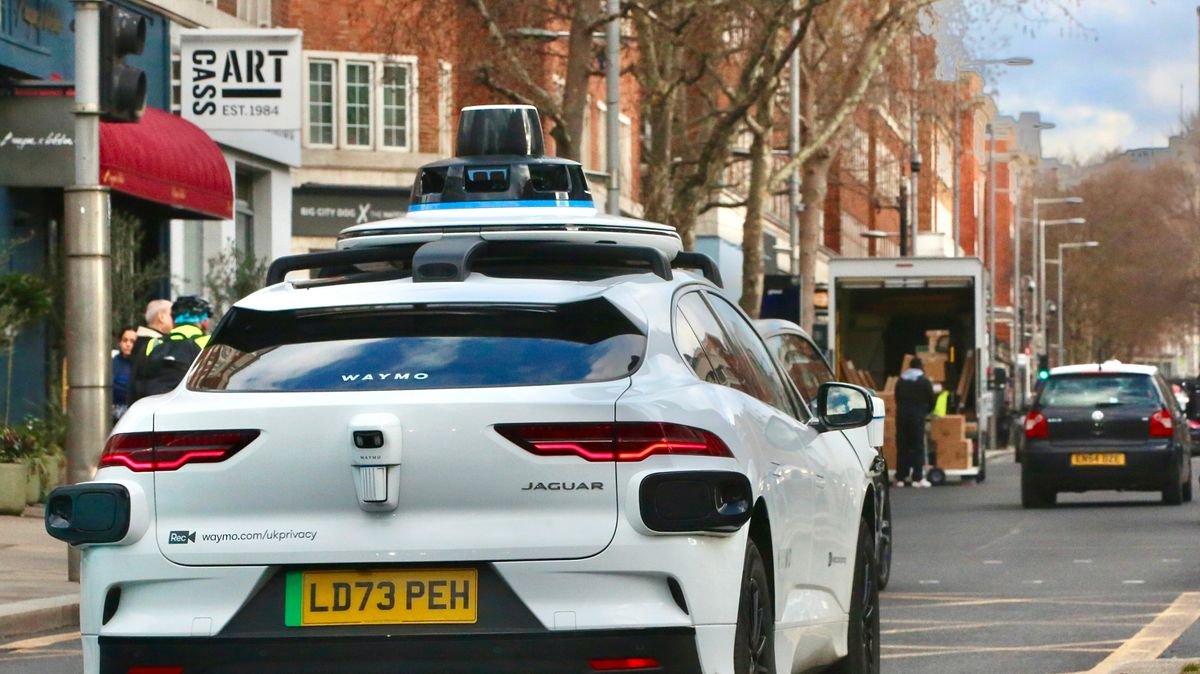

An army of autonomous taxis may soon hit the roads in the UK as early as this autumn, according to US company Waymo. The firm is aiming to introduce its fully self-driving taxi service in London by the end of this year. Waymo’s AI-equipped driverless cabs, also known as robotaxis, are currently undergoing testing on the streets of the capital city.
Before offering rides to the public, Waymo must obtain official safety approval. The company, a subsidiary of tech giant Google, asserts that its technology has the potential to significantly reduce traffic accidents as well as pedestrian and cyclist injuries.
Although fares for Waymo’s autonomous taxis are expected to be higher than those of traditional human-driven Uber and black cabs, the service is targeted at individuals who prefer not to be driven by humans, especially during nighttime, and those who value privacy.
Nicole Gavel, Waymo’s senior director and head of business development and strategic partnerships, stated that their aim is to become the most trusted driver globally and improve road safety significantly. She described riding in one of their cabs as a “magical experience.”
While the size of the planned London fleet was not disclosed, Waymo currently operates 1,000 vehicles in San Francisco and 700 in Los Angeles. The company has not ruled out expanding its self-driving taxi service to other cities and towns in the UK in the future.
In a parallel development, rival company Uber is also testing robotaxis in London. Waymo executives are confident that their advanced cars can handle the diverse conditions in the UK, from complex road systems to heavy rainfall.
Waymo’s technology continuously monitors its surroundings and can predict unexpected events, such as pedestrians suddenly emerging from behind obstacles. Ben Loewenstein, head of policy and government affairs for Waymo in the UK and Europe, emphasized the technology’s exceptional level of perception.
The autonomous technology will be integrated into a fleet of electric Jaguar I-Pace cars. However, some individuals remain skeptical about the safety and practicality of driverless vehicles.
As the debate continues, the introduction of driverless technology may revolutionize transportation in the UK, with companies like Waymo banking on British consumers embracing this new form of mobility. Time will tell whether the public is willing to pay the potentially higher costs associated with autonomous rides.