

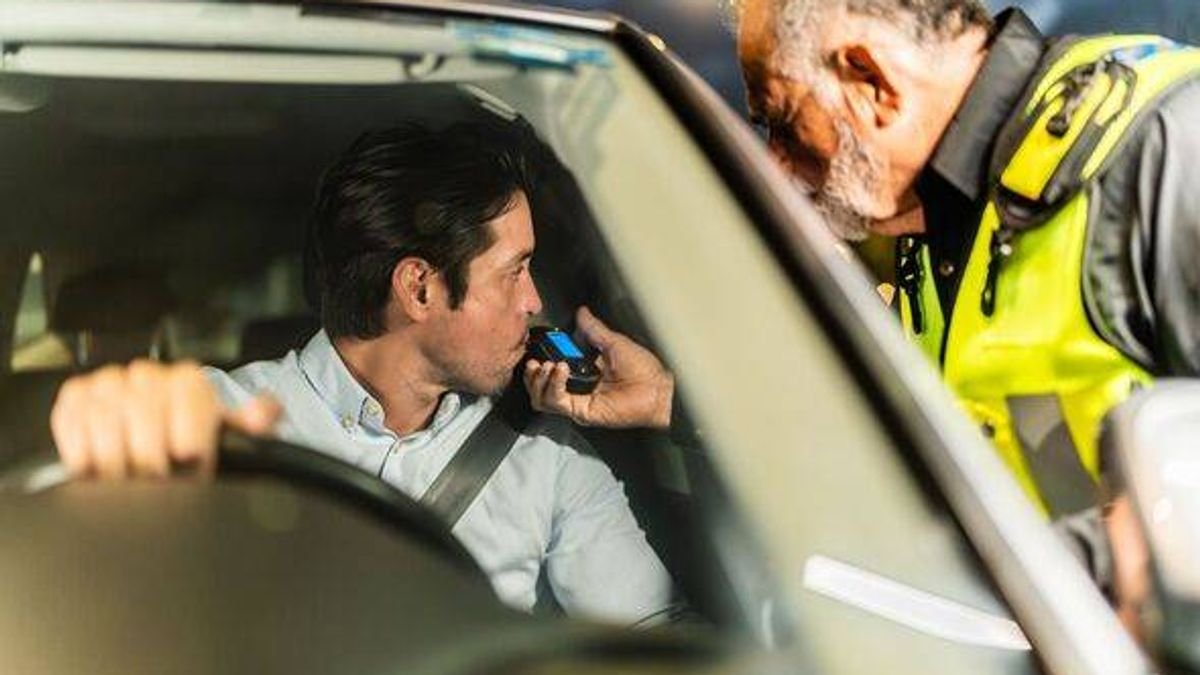

A government official has emphasized the need for stricter measures against drink-driving, citing the alarming number of fatalities caused by alcohol-related accidents. Transport minister Lilian Greenwood stated that after hearing heart-wrenching stories from families who lost loved ones in car crashes, it was evident that action needed to be taken to address the issue.
On the other hand, Nigel Farage criticized the proposal to reduce the drink-drive limit, expressing concerns about its impact on rural pubs. However, Greenwood reiterated the importance of addressing the high number of deaths resulting from alcohol-related collisions, stating that the current situation is unacceptable.
The Labour Party has introduced a new road safety strategy aimed at aligning England and Wales’s drink-drive limit with Scotland’s standards. The proposal includes reducing the limit from 35 to 22 micrograms of alcohol per 100 milliliters of breath, potentially affecting individuals who consume even a single pint.
Additionally, the government plans to consider implementing an even lower limit for new drivers and introducing “alcolocks” for convicted drink-drivers. The strategy may also involve random “stop and search” procedures by police to detect intoxicated drivers.
Recent statistics revealed that in 2023, one in six road fatalities involved drink-driving. Following a tragic incident involving 22-year-old Lillie Clack, the government’s initiative to lower the drink-drive limit has been welcomed by her family. Debbie Clack, Lillie’s mother, expressed gratitude for the government’s commitment to addressing the issue.
In response to criticisms from various quarters, including the British Beer and Pub Association, the government cited studies indicating that similar measures in Scotland did not significantly impact the pub trade. However, concerns remain among licensees, especially those in rural areas, about the potential effects on their businesses.
Overall, the government’s efforts to reduce drink-driving incidents have sparked a national debate, with proponents highlighting the importance of road safety and critics expressing reservations about the potential consequences for the pub industry.