


A regenerated forest presents a lush, green appearance with tall trees, but a closer examination reveals the absence of some smaller inhabitants like mosses, lichens, algae, and fungi. Research indicates that while restoring habitats such as forests and wetlands can aid in the recovery of declining animal and plant species, not all species return at the same pace. Certain inconspicuous inhabitants may remain scarce or missing for extended periods, potentially impacting other species.
Ellen Macdonald, a botanist from the University of Alberta, specializes in studying the smaller flora within forests, such as flowers, mosses, liverworts, and lichens. She emphasizes that the diversity of these smaller species far surpasses that of tree species. While to the casual observer, a regrown forest might resemble an untouched one, Macdonald notes subtle differences that indicate incomplete restoration.
Macdonald’s research, in collaboration with international data, examined the recovery timelines of plants and animals in regenerating boreal forests post-clearcutting. The study, recently published in the journal Nature Sustainability, revealed that birch and aspen forests recovered within 25 years, whereas conifer forests took significantly longer. In conifer forests, understory plants like lichens, mosses, and liverworts took over 85 years to return, with some species still absent after a century.
Similar patterns of missing species have been observed in wetlands and other restored habitats, indicating that despite appearing healthy, certain less visible species remain absent. The decline in species diversity, termed “dark diversity” by researchers, signifies a silent loss where species disappear from their former habitats, affecting the overall biodiversity within ecosystems.
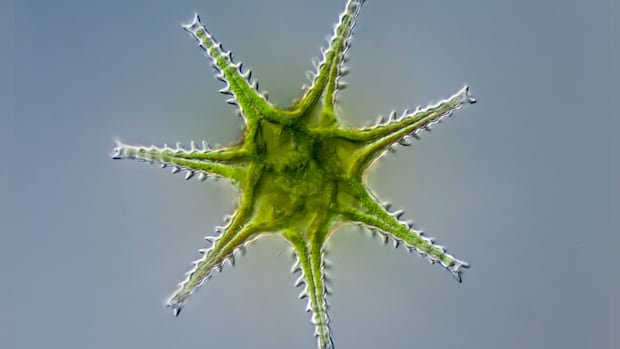
The absence of certain species, particularly algae, can have far-reaching consequences on ecosystem functions like oxygen production and food availability. Algae, responsible for a significant portion of global photosynthesis, play crucial roles in maintaining ecological balance. Understanding these recovery patterns can inform better landscape management practices to preserve a wider range of species within habitats.
Efforts to protect algae and other imperiled species involve collecting and conserving diverse strains to ensure their survival. Preserving biodiversity necessitates not only safeguarding specific habitats but also maintaining and restoring adequate habitat connectivity to sustain species across landscapes. Active interventions are essential to counter the ongoing loss of species and ensure their long-term survival.