

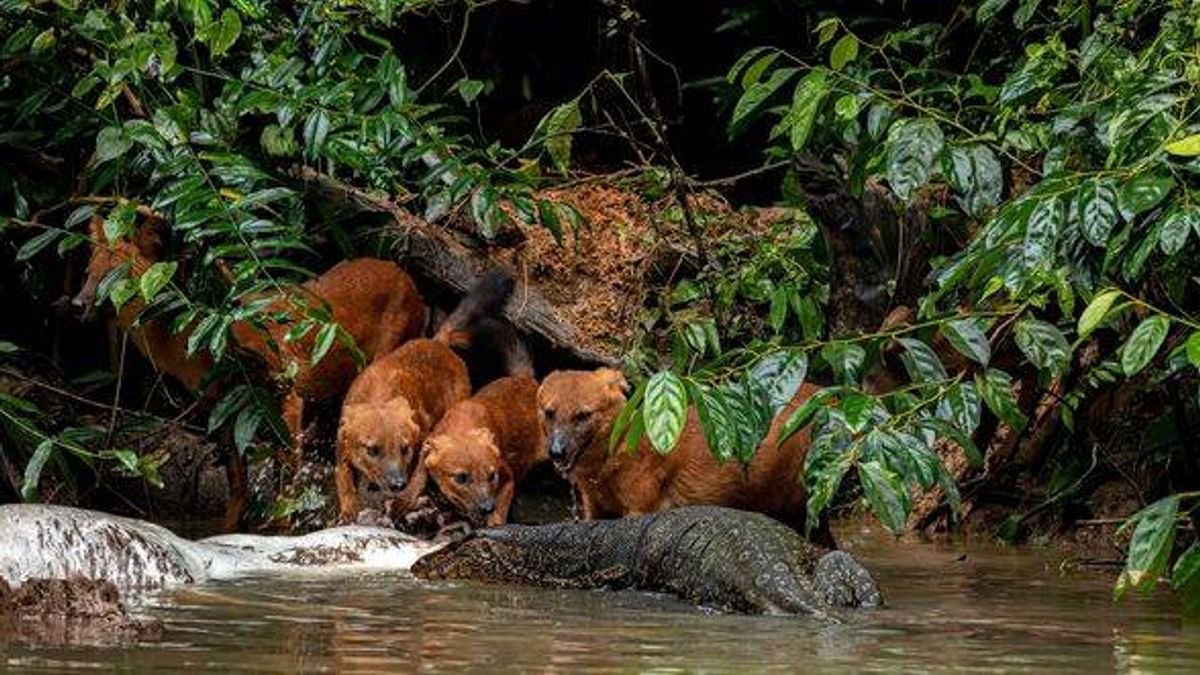

Trail cameras set by scientists captured footage of 10 elusive Indian wolves, a species listed as vulnerable on the International Union for Conservation of Nature Red List. With only an estimated 2,800 to 3,300 Indian wolves remaining in the wild, conservationists attribute their declining numbers to habitat destruction caused by mining activities and persistent hunting pressures for prey.
The wolves also face significant threats from human activities, including poisoning and shooting, as they resort to preying on livestock due to a scarcity of natural food sources. Competition for territory intensifies as common leopards claim potential habitats like sugar cane fields, forcing the wolves to seek alternative dens.
The encroachment of urban areas into grasslands has led to a surge in feral dogs, posing disease transmission risks and heightened food competition for the wolves. However, in a positive development, researchers in West Bengal discovered a pack of Indian wolves in the village of Madhaiganj after an extensive eight-month monitoring effort using camera traps, surveys, and community interviews.
Given the nocturnal nature of the wolves, the team employed trail cameras to monitor their activities, revealing that the wolves are adapting well to their environment. Emphasizing the need for targeted conservation efforts, Divisional Forest Officer Anupam Khan advocates for region-specific conservation strategies like providing open habitats for the wolves and utilizing radio collaring to track their movements.
Researcher Arkajyoti Mukherjee noted the significance of the Indian wolves surviving in a human-altered landscape, stressing the importance of securing their remaining habitats to ensure their coexistence with humans. Highlighting the value of data from regions like eastern India in shaping conservation policies, experts indicate that captive breeding programs in zoos play a crucial role in preserving the genetic diversity of Indian wolves for potential reintroduction efforts in the future.