

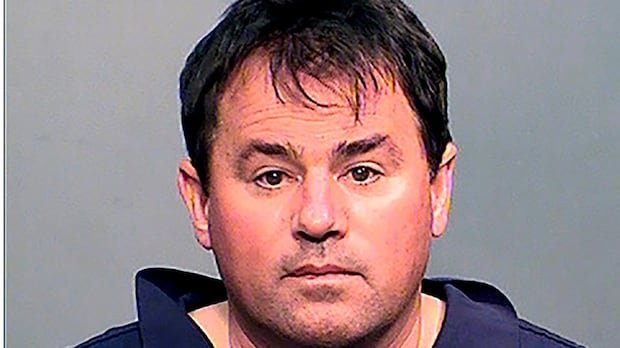

A polygamous sect leader, Samuel Bateman, received a 24-year state prison sentence in addition to his existing 50-year federal prison term for child abuse involving girls. The state convictions were related to a 2022 incident in Flagstaff, Arizona, where three girls aged 11 to 14 were found in an unventilated trailer during a traffic stop. The trailer lacked basic amenities like air conditioning and seat belts, prompting concerns about the safety of the children.
Bateman, previously associated with a polygamous sect linked to Warren Jeffs, was found guilty of three child abuse counts. Judge Joshua Steinlage emphasized the grave danger faced by the girls in the trailer and ordered Bateman to serve the state sentence after completing his federal term. Despite representing himself in court, Bateman did not seek leniency during the sentencing process.
Victims of Bateman’s abuse expressed their dismay at his actions, with one victim recounting the emotional trauma she endured after being sexually exploited by Bateman at a young age. The sentencing aimed to hold Bateman accountable for the harm inflicted on the victims and prevent him from harming children in the future.
Bateman’s involvement in a polygamous sect, where he claimed to have multiple spiritual wives, including underage girls, was highlighted in the case. The Netflix series “Trust Me: The False Prophet” focused on Bateman’s role within the sect and his criminal activities. Bateman’s association with the Fundamentalist Church of Jesus Christ of Latter-day Saints, which practices polygamy, was also explored in the context of his criminal behavior.
The influence of the polygamous sect in the communities of Colorado City, Arizona, and Hildale, Utah, has diminished over time, with court interventions leading to the separation of the church from local governance. The towns were released from court supervision ahead of schedule, indicating a shift away from the sect’s dominance in the region. Practicing members of the sect now constitute a minority of the towns’ populations, reflecting broader societal changes in the area.